

Keeping Your Yard Fresh and Pet-Friendly All Year Long
As a Utah dog owner, you take pride in keeping your yard healthy and looking great, but balancing work, family, and daily responsibilities can make that goal challenging. Even with the best intentions, tasks like picking up after your dog can fall through the cracks. That’s where Rocky Mountain Pooper Scoopers steps in. Our team ensures your lawn stays clean and clear of landmines throughout the year—but to give you the best service possible, we rely on your help each time we visit. Below are a few simple ways you can make our job more efficient and keep your yard ...
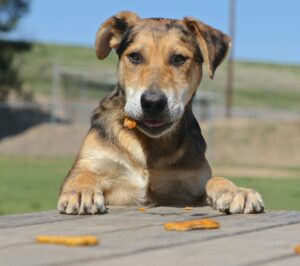
Catahoula Leopard Dogs: What Makes This Breed So Special?
The name Catahoula traces back to the Choctaw language and is commonly interpreted as meaning “Sacred Lake.” The Catahoula Leopard Dog is widely recognized as the only breed believed to have originated in Louisiana. Their history is rooted in the northern region of the state near Catahoula Lake, which is how the breed earned its distinctive name. Historical accounts suggest that early Spanish explorers brought Bloodhounds, Mastiffs, and Greyhounds to the area, and these dogs eventually interbred to create the early foundation of what we now know as the Catahoula. These dogs later became known for tracking and controlling wild ...

German Shorthaired Pointers: What Every Owner Should Know
The German Shorthaired Pointer, often referred to as the GSP, originated in Germany during the 1800s, where breeders developed the dog as a versatile hunter capable of working both on land and in water. Early German sportsmen sought a highly skilled canine that could track, point, retrieve, and perform with unwavering endurance throughout long days outdoors. As a result, the GSP emerged as a remarkable blend of speed, stamina, and intelligence. Most historians believe the breed was created through selective breeding between traditional German bird dogs and local scent hounds, with the English Pointer later contributing refinement and grace to ...

Affenpinschers: Personality, History, and Fun Facts
Commonly known as the “Affen,” the Affenpinscher has earned a variety of colorful nicknames over the years, such as “Monkey Terrier” and “Ape Terrier.” In French, admirers call them diablotin moustachu, meaning “mustached little devil.” Star Wars enthusiasts even insist the Affen resembles familiar characters like Ewoks or Wookies. What do you think this quirky little dog resembles most? The Affenpinscher is a compact but durable terrier, standing under twelve inches tall. Originally bred in Germany, these dogs were valued for their ability to eliminate rodents such as rats and mice from stables and kitchens. Their name suits them well—“Affen” ...

Meet the Molossus: The Powerful Ancestor Behind Today’s Giant Breeds
When you hear the name “Pit Bull,” many people immediately think of danger — even though that reputation often misses the full picture. This breed remains one of the most misrepresented in the world. Pit Bulls also frequently top the list of dogs surrendered to shelters across the United States. Over time, though, attitudes toward them have begun to shift — and for good reason. Several U.S. states, including Utah, no longer enforce laws that single out dog breeds for restrictions or bans. Some jurisdictions changed course after advocacy from organizations such as the ASPCA and the American Kennel Club ...

The Shih Tzu: Your Complete Guide to This Beloved Companion Breed
The Shih Tzu The Shih Tzu (pronounced SHEED-zoo), also known as the Chrysanthemum Dog, translates to “Little Lion,” though this gentle breed is anything but aggressive. These dogs are companions at heart, making them ideal pets for nearly any household. Their nickname comes from the distinctive way their facial hair radiates outward from the nose in all directions, resembling a chrysanthemum flower. While the exact origins remain somewhat mysterious, evidence suggests the Shih Tzu was developed in Tibet as a miniature lion representation, deeply connected to Buddhist symbolism. Legend tells of Tibetan monks keeping these dogs as both companions and ...

The Pug: A Mighty Companion in a Small Package
“A lot in a little space” perfectly captures the essence of The Pug, an apt characterization of this compact yet powerfully built canine breed. This breed appears in multiple colorations, from silver to apricot fawn featuring black facial markings, or entirely black like the pug shown in the image above. Their distinctive large, rounded heads and expressive faces mirror human emotions—displaying looks of astonishment, joy, or inquisitiveness—which has made these charming canines beloved family members for well over a hundred years. The Pug stands among the most ancient documented dog breeds, with origins tracing back to approximately 566 AD, though ...

The German Shepherd: Intelligence, Loyalty, and Versatility Combined
The German Shepherd’s modest beginnings trace back to Germany in 1899, when Captain Von Stephanitz envisioned creating an ultimate herding dog. His journey took him across multiple German territories as he sought the ideal specimens for his breeding program. These canines would eventually serve alongside German forces during World War I, and following the war’s conclusion, numerous soldiers brought these dogs home to the United States as companions. Let’s rewind briefly to the pre-war era when Americans were just becoming acquainted with the German Shepherd. The breed’s true rise in popularity occurred post-war. Some attribute this to their impressive wartime ...

Lyme Disease in Dogs: Prevention and Awareness
May is recognized as Lyme Disease Prevention Month. Lyme disease represents one of the most frequently encountered tick-transmitted infections worldwide, yet symptoms manifest in merely 5 to 10 percent of infected canines. Throughout this article, we’ll explore Lyme disease fundamentals, transmission methods, and preventive measures available to pet owners. Understanding Lyme disease The bacterial agent causing Lyme disease in canines spreads through the gradual-feeding, hard-bodied deer tick. Infection typically develops after the tick remains attached to the canine for approximately two to three days. Signs of Lyme disease Numerous dogs with Lyme disease experience walking difficulties resulting from joint inflammation. ...

Heartworm Disease: Protecting Your Pets from a Deadly Parasite
Are you aware that over one million canines currently suffer from heartworm disease? This minuscule parasite can cause severe illness in dogs, and without proper treatment, it proves fatal. Heartworm impacts both canines and felines while threatening wildlife including coyotes, foxes, and sea lions throughout the United States, including Hawaii. Animals residing in warmer climates worldwide face this threat as well. April marks Heartworm Awareness Month, and throughout this article we’ll discuss heartworms, their transmission methods, and protective measures available to pet owners. Understanding heartworms Heartworm, scientifically known as Dirofilaria immitis, is a parasitic roundworm transmitted between hosts via mosquito ...

Pet First Aid: What to Do When Your Dog Is Choking
April marks Pet First Aid Month, and throughout recent weeks we’ve published content on pet first aid and emergency response procedures. This presents an ideal opportunity to learn proper protocols should you discover your pet experiencing distress. Today we’re providing another essential tip regarding choking that we encourage you to share with your entire network. We’ve all dined at restaurants or entered school cafeterias and observed posted instructions explaining what to do when someone chokes, but what about your canine? Would you recognize what steps to take upon noticing your dog choking? Today we’re offering guidance that will assist you ...

Essential Pet First Aid Kit: Be Prepared for Emergencies
Every pet owner should maintain readiness for a pet emergency. This preparedness involves ensuring you maintain a completely equipped pet first aid kit available in your residence, stocked with materials to assist your pet during an emergency situation. The optimal location for your pet first aid kit? Directly alongside the first aid kit designated for the human household members. Contact Information and your pet’s health documentation: Knowing your veterinarian’s contact details along with your closest pet emergency hospital’s number is critical. Additionally, record the Animal Poison Control Center—888-426-4435. Gauze Gauze is necessary for dressing injuries or creating a muzzle for ...
