
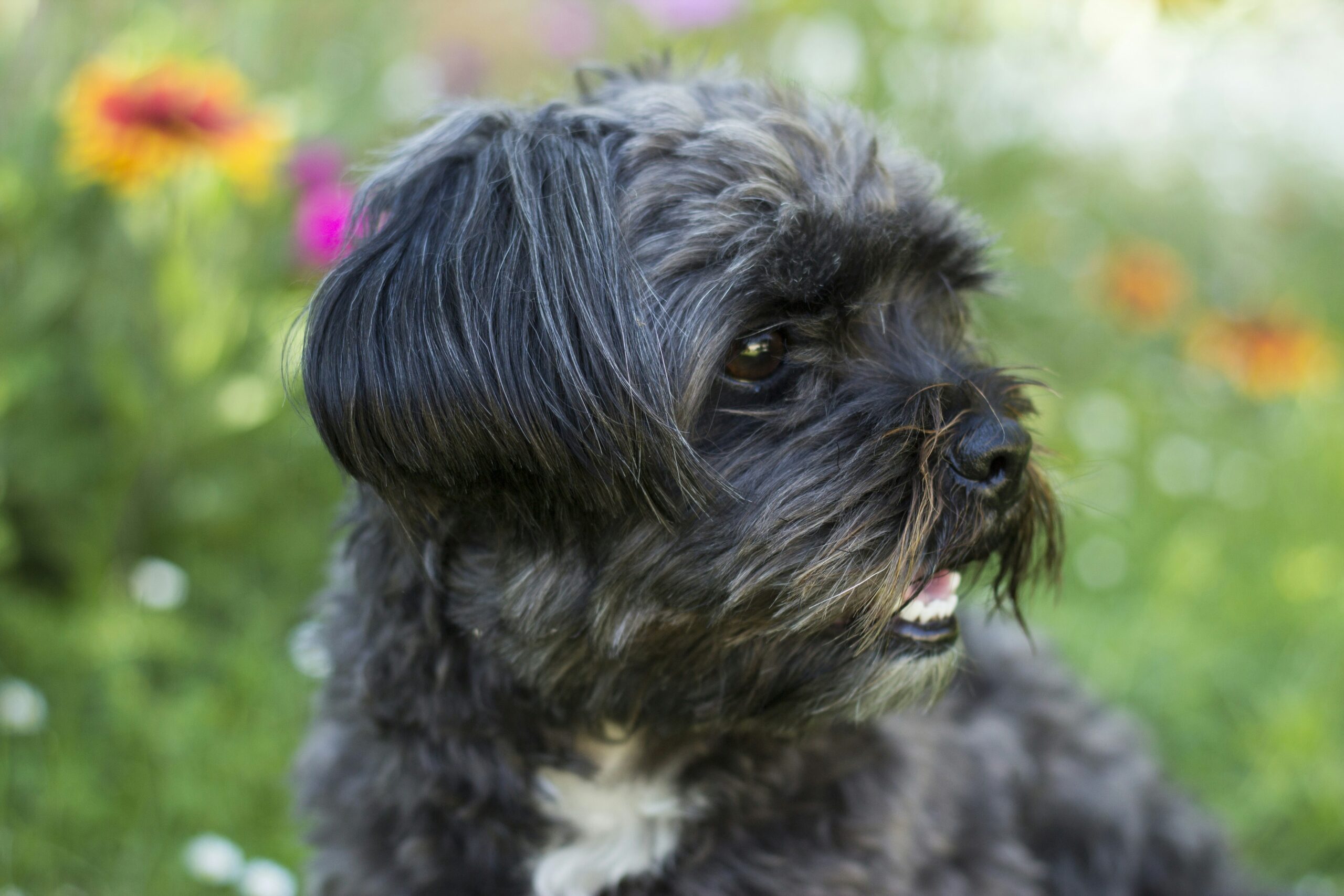
Commonly known as the “Affen,” the Affenpinscher has earned a variety of colorful nicknames over the years, such as “Monkey Terrier” and “Ape Terrier.” In French, admirers call them diablotin moustachu, meaning “mustached little devil.” Star Wars enthusiasts even insist the Affen resembles familiar characters like Ewoks or Wookies. What do you think this quirky little dog resembles most?
The Affenpinscher is a compact but durable terrier, standing under twelve inches tall. Originally bred in Germany, these dogs were valued for their ability to eliminate rodents such as rats and mice from stables and kitchens. Their name suits them well—“Affen” in German translates to “monkey,” a nod to their playful, expressive faces.
Dogs resembling the Affen were popular as far back as the 1600s, but the breed as we know it took shape in the 17th century. They contributed genetically to the Brussels Griffon and the Miniature Schnauzer. Early Affenpinschers appeared in several colors, including fawn, gray, red, black and tan, and solid black.
Modern Affenpinschers still come in an array of shades—black, silver, gray, beige, red, and black and tan. Some may have a touch of white on the chest or neck, creating a striking contrast against their otherwise solid coloration.
Their coats are short, wiry, and characteristically described as “neatly shaggy.” The fur is dense and coarse, growing to about an inch in length. Affens almost always have docked tails when they appear in show rings. Despite their small stature, they carry themselves with impressive boldness and confidence.
A typical Affen stands between 9 and 11½ inches tall at the shoulder and weighs roughly 7 to 9 pounds when fully grown, making them ideal for apartment living or travel. Although they are among the more energetic toy breeds, they don’t need extensive daily activity. Generally, one or two brief walks per day are enough to keep an Affenpinscher healthy and content.
When given proper care, an Affen usually lives between twelve and fourteen years. Before committing to this breed, however, potential owners in Utah should take note of several important considerations:
Fragility
Many toy breeds are delicate, and the Affenpinscher is no exception. They can be easily injured if stepped on or if they leap from high furniture. Larger dogs can also pose a risk. Constant supervision is crucial, and because Affens are naturally curious, keeping them indoors most of the time helps reduce the chance of accidents.
Suspiciousness
Although they may appear outgoing, Affenpinschers tend to be protective and wary of anything unfamiliar. Without intentional socialization and training, they may become suspicious of new people, animals, or environments.
House Training
Housebreaking a toy breed can be challenging. Affens are small enough to slip away unnoticed and may choose hidden corners for bathroom accidents. Consistency and supervision are essential, especially during puppyhood, and young Affens should not be left unsupervised until they reliably control their bladder and bowel habits.
Stubborn Dogs
The Affenpinscher’s independent streak means they often resist commands they don’t agree with. They also tend to bark readily, making early training important to establish when barking is appropriate.
Grooming
Regular grooming is necessary to keep their wiry coat free from tangles and mats. Routine trimming or clipping is also recommended to maintain their signature tidy-but-ruffled appearance.
Health Issues
Although generally long-lived, Affenpinschers are susceptible to certain health problems. Syringomyelia—a neurological disorder—can be particularly serious. They may also develop allergies, itchy skin, or knee joint conditions that may require costly surgery. Prospective owners should keep these possibilities in mind.
If you want to avoid some of the behavioral challenges associated with raising an Affenpinscher puppy, adopting an adult dog may be a better choice. With an adult, you can clearly observe temperament and energy levels. Local Utah shelters or regional rescue organizations may occasionally have Affens available.
If you prefer a puppy, start by selecting a reputable breeder. Ask questions about the puppy’s lineage and request health records for both parents. If a breeder avoids your questions or can’t provide documentation, it’s wise to look for another source.
After reviewing a puppy’s health background, your next step is to find a reliable dog trainer in your Utah community. Observing a class beforehand can help ensure the trainer’s style matches your expectations.
Waiting List
Locating an Affenpinscher in the United States can be difficult, as only about 100 puppies are registered annually. This small population limits genetic diversity and increases the likelihood of inherited health issues. Prospective owners should be prepared for waitlists and plan accordingly.
Despite the challenges, an Affenpinscher can be a deeply rewarding companion. When properly cared for, your Affen will be devoted, vigilant, and ready to defend their family without hesitation. With the right environment and commitment, this spirited breed can thrive in any Utah home.
This post is brought to you by Rocky Mountain Pooper Scoopers. They proudly serve the Greater Salt Lake City area, including Sandy, West Jordan, and Taylorsville, offering dependable and affordable pet waste removal services.
Call (385) 392-0791 today for your free estimate—weekly rates start at just $18.00. Visit their website at rockymountainpooperscoopers.com to read reviews and learn more.
Happy Tails!
