
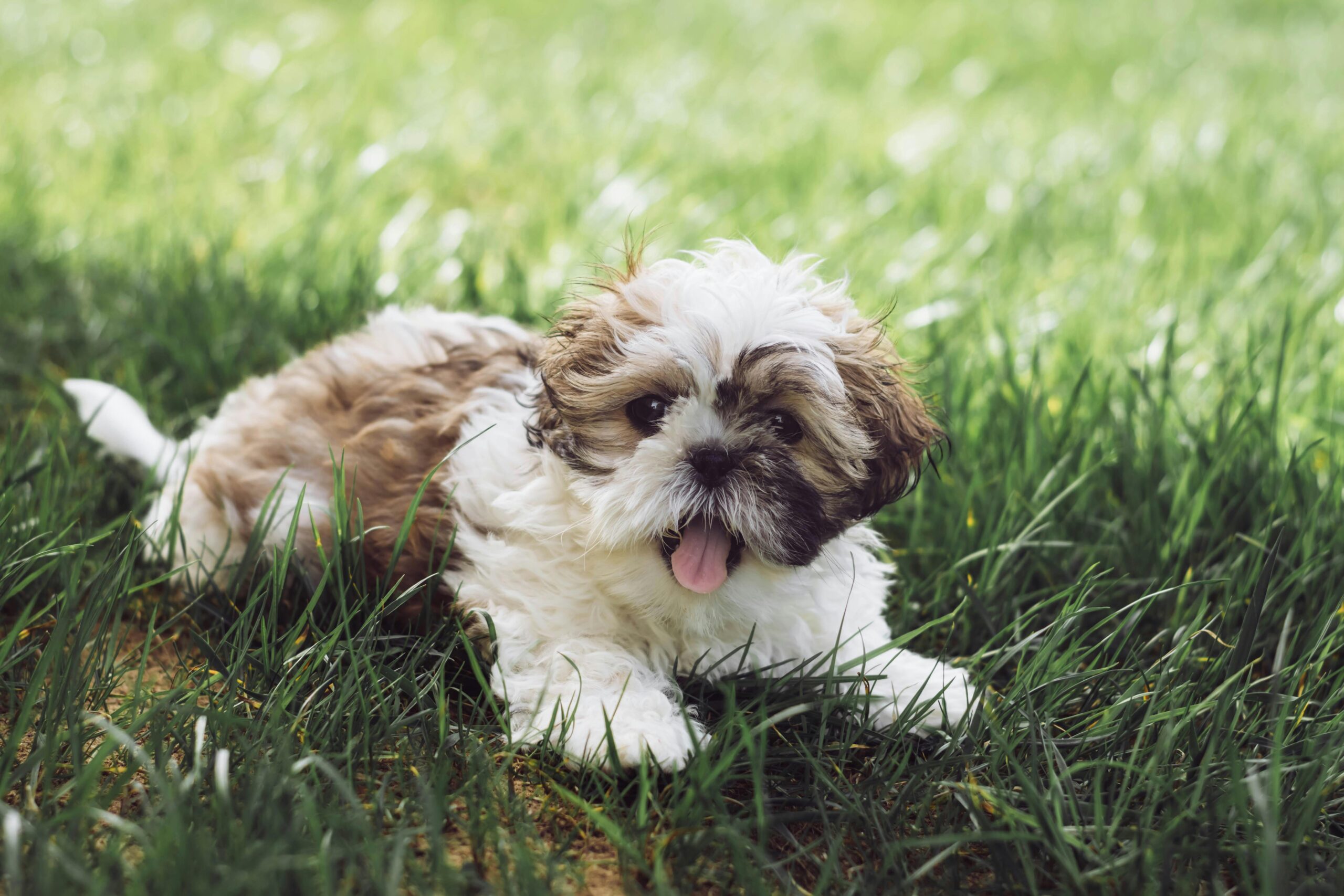
The Shih Tzu
The Shih Tzu (pronounced SHEED-zoo), also known as the Chrysanthemum Dog, translates to “Little Lion,” though this gentle breed is anything but aggressive. These dogs are companions at heart, making them ideal pets for nearly any household. Their nickname comes from the distinctive way their facial hair radiates outward from the nose in all directions, resembling a chrysanthemum flower. While the exact origins remain somewhat mysterious, evidence suggests the Shih Tzu was developed in Tibet as a miniature lion representation, deeply connected to Buddhist symbolism. Legend tells of Tibetan monks keeping these dogs as both companions and alert animals in their monasteries, though historical records are limited. What we can confirm is that Tibetan lamas bred these dogs specifically for Chinese imperial families.
Following the collapse of China’s imperial dynasty, the breed’s popularity plummeted and they nearly faced extinction. Their survival came when General Douglas and Lady Brownrigg received several as gifts and transported them to England. Every Shih Tzu living today can trace their ancestry back to a founding group of merely 14 dogs.
World War II brought another disruption to the breed’s progress in England, yet they persevered through the conflict. The breed experienced renewed interest throughout the 1950s and 1960s, ultimately gaining official American Kennel Club recognition in 1969.
Their current popularity stems from their cheerful disposition, loyalty, and gentle nature. Within the American Kennel Club’s registration rankings, they consistently place in the Top 10 across all breeds. This impressive ranking has remained steady for over ten years, demonstrating their enduring appeal.
Shih Tzus aren’t suited for guard duty or hunting activities, though they’ll happily chase after a tossed ball. Their entire existence centers on providing companionship to their fortunate owners. Take a seat anywhere near one and you’ll quickly find them climbing into your lap for affection. These dogs aren’t needy or hyperactive, making them wonderful companions for senior citizens. Their relaxed demeanor means they’re content to follow your lead and stay by your side. They typically get along well with other canines and kids, and while some take to cats, others may not.
While these dogs possess intelligence and learning capability, patience may be required during training, particularly with housebreaking. However, once they grasp the training, they become quite compliant. For anyone thinking about adding a Shih Tzu to their family, remember that training must start immediately upon bringing your new pet home. Delaying training until the dog matures means dealing with an established personality. You could wind up with a willful, obstinate companion already fixed in their habits.
Available Shih Tzu colorations include gold and white, red and white, black mask gold, solid red, black and white, solid black, solid liver, liver and white, blue and white, brindle and white, silver, and solid white.
The small breed dogs face certain typical health challenges, and Shih Tzus experience these same vulnerabilities. They may develop misaligned or absent teeth, and their compact mouths frequently lead to dental crowding. Like numerous small breeds, they can suffer from kneecaps that slip out of position, medically termed luxating patellas. Their prominent eyes make them vulnerable to scratches and other injuries.
Another concern is renal dysplasia, a genetic disorder where kidney development is abnormal. Since this condition passes from parent dogs to offspring, discussing this with breeders before purchasing a puppy is essential. Research the background of your prospective dog and don’t hesitate to inquire thoroughly. Request written proof that both parent dogs received these assessments:
Orthopedic Foundation for Animals–Patella, or kneecap evaluations Canine Eye Registration–Eye clearance
These represent just some health issues that might impact Shih Tzus. Additional concerns encompass cataracts, ingrown eyelashes, and breathing problems.
If your prospective breeder cannot provide information about your puppy’s lineage, seek out a different breeder. Reputable breeders test all their dogs for hereditary problems and ideally breed only their healthiest and finest specimens.
Given their compact size, they work perfectly for apartment living, though they adjust well to various living situations. Remember that Shih Tzus are indoor pets who struggle in outdoor environments due to heat sensitivity. Ensure your Shih Tzu receives proper nutrition and adequate physical activity. Keeping a healthy weight stands as one of the most important factors in extending your companion’s life. Typical Shih Tzu longevity ranges from 10 to 16 years.
Regarding grooming, most owners opt to keep their Shih Tzu’s coat trimmed short. The long, flowing coats you occasionally see are reserved for show dogs competing in the ring. Some owners handle trimming at home, while others schedule grooming appointments every two weeks for bathing and tidying. If bathing your Shih Tzu yourself, always work out any mats BEFORE the bath. Mats become tighter and more problematic when wet. Remember to brush their teeth using veterinarian-approved toothpaste, or request this service during grooming visits.
This post is brought to you by Rocky Mountain Pooper Scoopers. They proudly serve the Greater Salt Lake City area, including Sandy, West Jordan, and Taylorsville, offering dependable and affordable pet waste removal services. Call (385) 392-0791 today for your free estimate—weekly rates start at just $18.00. Visit their website at rockymountainpooperscoopers.com to read reviews and learn more.
Happy Tails!
