
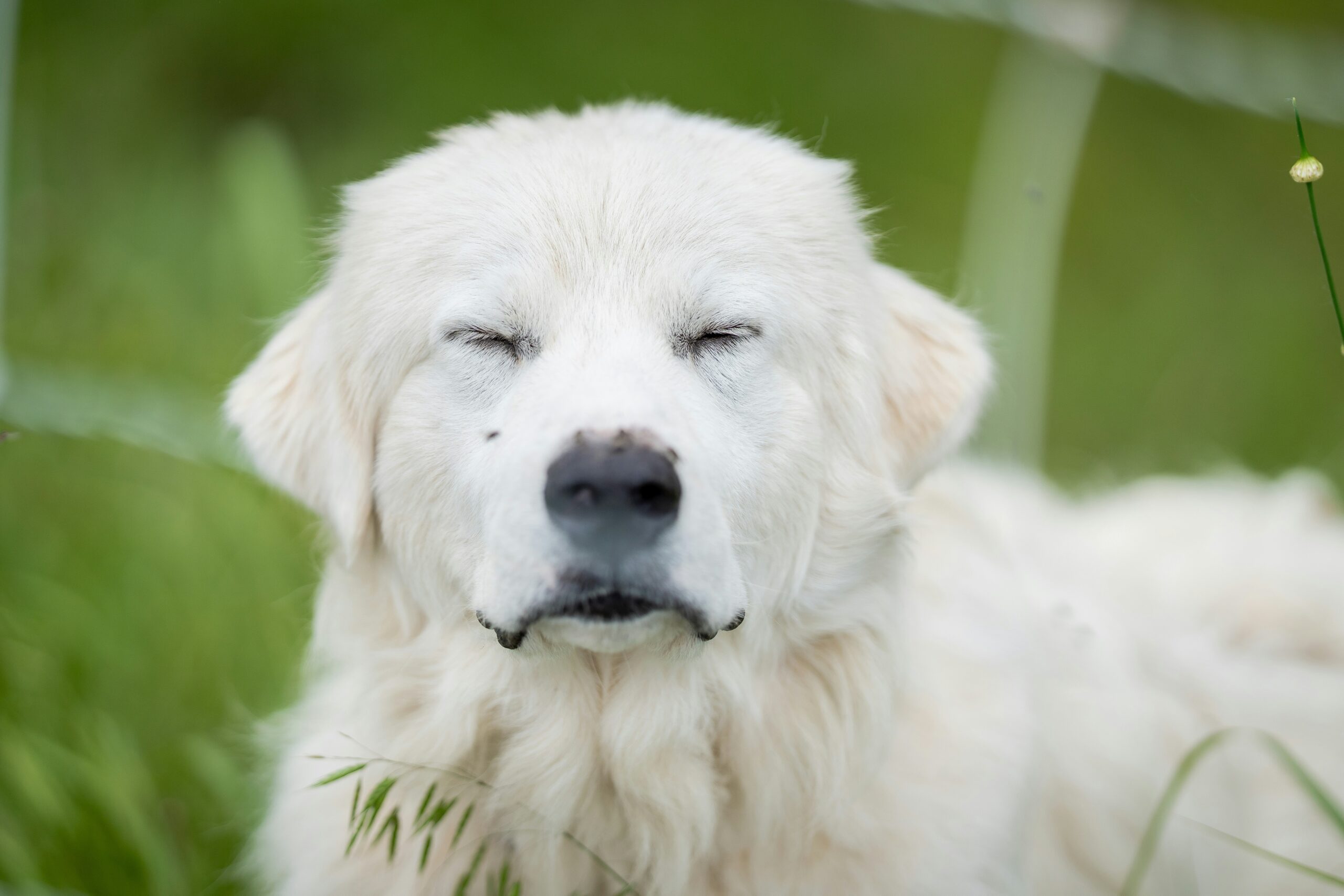
Constant scratching, sneezing fits, coughing, skin irritation, paw chewing, or scooting across the floor—if this sounds familiar, allergies may be the culprit. Just like people, dogs can suffer from allergies, and it’s far more common than many pet owners realize. In fact, skin and allergy-related issues are among the most frequent reasons dogs are taken to the veterinarian. Depending on the trigger, symptoms can appear seasonally or persist year-round. If your dog seems uncomfortable or you suspect allergies may be affecting her quality of life, understanding the signs, causes, and treatment options can help you take the next step toward relief.
Symptoms
Allergic reactions in dogs can look similar to those seen in humans, but dogs also display behaviors that are uniquely canine. While sneezing, watery eyes, itching, and nasal discharge are common indicators, dogs often show discomfort in other ways.
Excessive licking, chewing at the paws, dragging their rear along the floor, frequent head shaking, or obsessive scratching are all classic signs of canine allergies. Skin redness, hot spots, rashes, and inflamed ears are also frequent warning signals. In many cases, repeated ear infections are actually driven by underlying allergies rather than bacteria alone.
Causes
Dog allergies are typically triggered by either environmental or dietary factors. Common environmental allergens include dust mites, pollen, grass, weeds, trees, mold spores, fleas, and other outdoor irritants. In Utah, fluctuating seasons, dry air, and spring and fall pollen surges can contribute significantly to allergy flare-ups.
Food allergies account for a smaller—but still important—percentage of cases. Proteins such as chicken, beef, fish, and dairy are frequent offenders, along with ingredients like soy, corn, and wheat. Identifying the exact cause can be challenging.
Veterinarians may recommend allergy testing for environmental triggers, similar to testing done for humans. Food allergies, however, are typically diagnosed through elimination diets. During a food trial, your dog is switched to a limited-ingredient or novel-protein diet for six to eight weeks. Ingredients are then slowly reintroduced one at a time while monitoring for reactions. Interestingly, veterinary studies show that dogs can suddenly develop sensitivities to foods they have eaten safely for years.
Treatments
Once an allergen is identified, managing exposure becomes the primary goal. Food-related allergies are often the easiest to control by permanently removing the offending ingredient from your dog’s diet. Environmental allergens, on the other hand, are much harder to avoid entirely—especially in Utah, where dogs are frequently outdoors year-round.
Most allergies cannot be cured, but symptoms can usually be managed effectively. Veterinarians may prescribe antibiotics to treat secondary skin or ear infections and may recommend corticosteroids, such as prednisone, to reduce inflammation and itching. While steroids can provide fast relief, long-term use is generally discouraged due to potential side effects.
Other prescription options, such as cyclosporine, offer effective control with fewer side effects, though they tend to be more expensive. Antihistamines like Benadryl may help some dogs manage itching, but dosage and suitability should always be discussed with a veterinarian.
Allergy immunotherapy—commonly referred to as allergy shots—can be a highly effective long-term solution for environmental allergies. This approach requires allergy testing to identify specific triggers, followed by customized injections that gradually desensitize your dog’s immune system. According to Utah-based veterinary dermatology specialists, immunotherapy is currently the only treatment shown to slow or stop the progression of allergic disease rather than simply masking symptoms.
Supportive and Natural Relief Options
In addition to prescription treatments, there are several non-medicated strategies that can significantly improve comfort. Regular bathing with oatmeal-based or medicated shampoos helps remove allergens from the skin and soothes irritation. Conditioners and leave-in rinses can further reduce dryness and itching.
Dietary supplements such as omega-3 fatty acids and biotin are often recommended to strengthen the skin barrier, improve coat quality, and decrease inflammation. While these options are not cures, they can play an important role in a comprehensive allergy management plan.
Helping Your Dog Live Comfortably with Allergies
Dog allergies can be frustrating for both pets and owners, but with the right approach, symptoms can often be kept under control. Early recognition, proper diagnosis, and a tailored treatment plan can dramatically improve your dog’s comfort and overall well-being. If your dog is showing signs of allergies, working closely with your veterinarian is the best way to identify triggers and develop a long-term strategy that fits your dog’s lifestyle—especially in Utah’s unique climate.
Relief may not be instant, but with consistency and care, your dog can enjoy a healthier, itch-free life.
This post is brought to you by Rocky Mountain Pooper Scoopers. They proudly serve the Greater Salt Lake City area, including Sandy, West Jordan, and Taylorsville, offering dependable and affordable pet waste removal services. Call (385) 392-0791 today for your free estimate—weekly rates start at just $18.00. Visit their website at rockymountainpooperscoopers.com to read reviews and learn more.
