
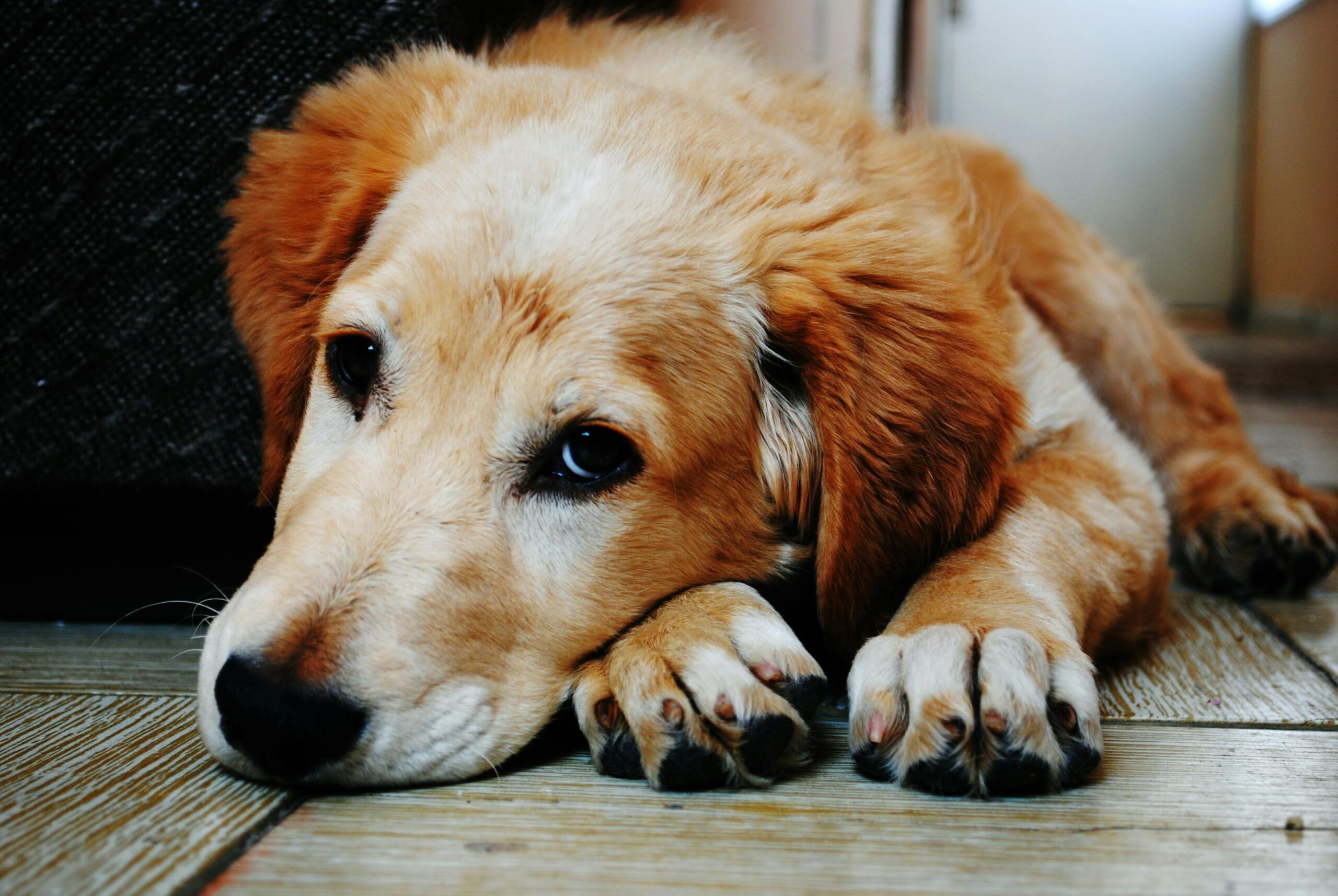
As humans, it’s easy for us to express discomfort. Whether we stub a toe, overdo it working in the yard, or step on something sharp in the dark, we can clearly explain what hurts and how badly. We can complain to family members, describe symptoms to a doctor, or simply let out a dramatic groan.
Dogs, on the other hand, can’t verbalize their aches and pains in a way we instantly understand. While some dogs may limp or cry out, their pain signals are often subtle and easy to overlook. Even attentive pet owners may struggle to determine exactly what their dog is experiencing.
Today, we’re going to explore several signs that can help you identify when your pet may be hurting. Here are key behaviors to watch for:
Excessive Vocal Sounds
Although many dogs try to hide discomfort, unexpected vocalizations can be a strong indicator that something isn’t right. A dog in pain may whimper, yelp, whine, growl, snarl, or even let out short howls. When these noises occur without an obvious trigger—and especially if this behavior is unusual for your dog—it’s important to investigate further.
Excessive or Constant Grooming
Dogs often lick injured areas as a natural response to discomfort. If your dog repeatedly licks a specific spot, especially the paws, they may be trying to soothe the pain. Visible wounds make the cause clearer, but constant licking without any outward injury can indicate internal pain. Dogs with eye discomfort may also lick their paws and use them to rub their faces in an attempt to relieve irritation.
Changes in Sleeping, Drinking, and Eating Habits
A sudden shift in normal daily routines can signal a problem. If your dog usually finishes every meal but suddenly refuses food, or if their water bowl is staying full when it’s normally empty by midday, something could be bothering them. Increased sleep can also be a red flag—dogs experiencing pain often rest more to cope with discomfort. Any consistent change in eating, drinking, or sleep patterns warrants a call to your veterinarian.
Changes in Breathing
Panting inside the house, especially when the temperature is comfortable, may indicate discomfort or difficulty breathing. Breaths that seem unusually shallow, rapid, or slower than normal should not be ignored. Altered breathing patterns often point to pain or an underlying health issue.
Changes in Eyesight or Eye Appearance
Eye pain can cause dogs to squint or partially close their eyes. You may also notice that the eyes seem smaller than usual. Alternatively, when dogs hurt elsewhere in their body, their pupils may dilate, making the eyes appear larger. Any sudden change in the appearance of your dog’s eyes is worth noting.
Restlessness
Pain can make settling down extremely difficult. A dog experiencing discomfort may repeatedly change positions, pace around the room, or lie in unusual poses. If your dog seems unable to relax or keeps shifting as if they can’t get comfortable, this can be a sign of physical distress.
Withdrawing
When in pain, some dogs prefer isolation. They may retreat to quiet corners, hide under furniture, or avoid interaction. This sudden desire to be alone often indicates that something is wrong.
Seeking Extra Affection
While some pets withdraw, others respond to pain by becoming unusually clingy. They may follow you more closely, lean on you for comfort, or seek constant reassurance. This behavior comes from their instinct to feel safe when they’re hurting.
Aggression
Pain often triggers a protective response. Even the friendliest dogs may snap, growl, or hold their ears back when touched if they fear additional discomfort. A normally energetic or assertive dog may also become uncharacteristically subdued when in pain. Any dramatic shift in temperament—whether more defensive or unexpectedly timid—may indicate an underlying problem.
If you believe your dog might be hurting, gently examine their body to pinpoint the sensitive area. Touch each leg, paw, or section of the torso slowly and carefully. If your dog reacts vocally or pulls away, that spot may be the source of the pain. Always be cautious during this process—dogs who never bite can become reactive when they’re hurting.
Once you’ve identified possible discomfort, it’s important to reach out to your veterinarian for an evaluation. A professional can help diagnose the cause and recommend the best treatment plan to help your dog feel better.
This post is brought to you by Rocky Mountain Pooper Scoopers, the premier pet waste removal service in the Greater Salt Lake City area, proudly serving Sandy, West Jordan, and Taylorsville. Call (385) 392-0791 today for a free quote. Weekly rates begin at $18.00. Visit https://rockymountainpooperscoopers.com to explore customer reviews and learn more about their services.
Happy Tails!
