
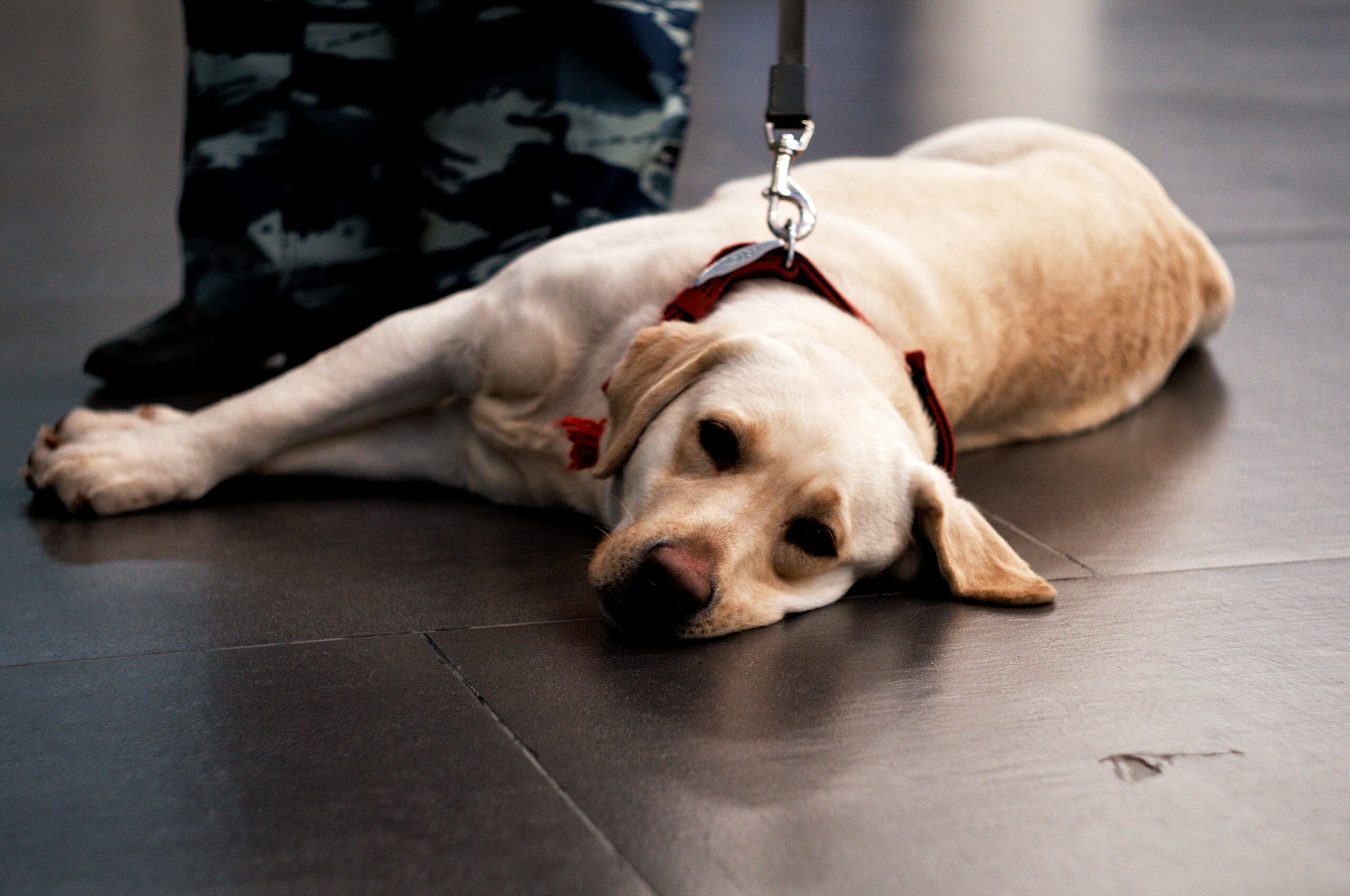
Service dogs, assistance dogs, and therapy dogs may go by different names, but their impact on human lives is extraordinary. Once primarily associated with helping individuals who are blind, service dogs today support people with a wide range of physical, emotional, and medical needs—both adults and children alike. Under the Americans with Disabilities Act (ADA), service dogs are defined as dogs that are individually trained to perform specific tasks or work for individuals with disabilities. Their role is not companionship alone; it is purposeful, skilled, and life-changing.
What Do Service Dogs Do?
Assistance dogs are trained to carry out a broad spectrum of tasks designed to support people living with disabilities. Some guide individuals who are visually impaired, while others assist those who are deaf or hard of hearing. Many are trained to remind their handlers to take medication, recognize and interrupt panic attacks, or provide grounding support for individuals with PTSD.
Service dogs may also be trained to respond to medical emergencies, such as seizures, by protecting their handler from injury or alerting others for help. Larger service dogs can assist with mobility challenges by helping someone stand, maintain balance, climb stairs, or even pull a wheelchair. Each dog is trained to meet the unique needs of the person they serve, making every partnership deeply personal and highly specialized.
Stories highlighting the incredible bond between service dogs and their handlers are both moving and inspiring. Organizations like 4 Paws for Ability, a nonprofit dedicated to pairing trained service dogs with children and veterans who have disabilities, share countless examples of how these dogs transform lives through carefully matched partnerships.
One such story involves a young girl named Maddie and her service dog, Viva. Maddie lives with seizure disorders along with balance and mobility limitations that once made daily activities—and school—extremely challenging. Viva, a golden retriever trained specifically to support Maddie’s needs, became a turning point in her life. Acting as a stabilizing counterbalance, Viva helps Maddie move safely, climb stairs, and avoid falls.
Even more remarkable, Viva learned to recognize the early signs of an oncoming seizure. Within just a few months, Viva successfully alerted school staff multiple times before a seizure occurred, allowing medication to be administered and preventing serious episodes. With Viva by her side, Maddie gained confidence, independence, and the ability to thrive in ways that were once out of reach.
What Are the Best Breeds for Service Dogs?
While any breed has the potential to become a service dog, certain breeds are more commonly chosen due to their temperament, intelligence, and trainability. Golden retrievers and Labrador retrievers are among the most popular choices because they are highly adaptable, eager to learn, and naturally people-oriented.
German shepherds and border collies are also frequently trained as service dogs, particularly for tasks that require focus, precision, and problem-solving. Larger breeds are often selected for mobility assistance due to their strength and size, but smaller dogs can be equally effective when trained for medical alerts, emotional support, or psychiatric tasks. Ultimately, the right service dog is determined by compatibility, not just breed.
How Are Service Dogs Trained?
The training process for a service dog is extensive and far more advanced than standard obedience training. Like all puppies, service dogs begin by learning foundational skills such as proper behavior in the home, socialization with people and animals, and basic commands. From there, their education intensifies.
Many service dogs learn 30 or more commands early in their training, including cues such as watch me, heel, settle, leave it, follow, go to, wait, and quiet. These commands form the backbone of a dog’s ability to function reliably in public and high-distraction environments.
On average, training requires at least 120 hours spread over six months or more, with a significant portion of that time spent in public settings. In the United States, service dog training typically follows three structured phases:
-
Heeling: Teaching the dog to stay closely aligned with their handler regardless of movement, pace, or environment.
-
Proofing: Conditioning the dog to remain focused and responsive despite distractions such as crowds, noise, or unfamiliar surroundings.
-
Tasking: Training the dog to perform the specific duties their handler requires, such as alerting to medical changes, guiding, or providing physical support.
It’s important to remember that service dogs are not pets in the traditional sense. They are highly trained working animals performing critical tasks every day. When you encounter a service dog in public, always ask permission before interacting—many are actively working even when it may not appear so.
Supporting Dog Owners in Utah
Whether you share your life with a service dog or a beloved family pet, one thing remains the same—cleaning up after your dog is part of responsible ownership. That’s where Rocky Mountain Pooper Scoopers comes in.
Rocky Mountain Pooper Scoopers Dog Waste Clean-Up Service helps Utah dog owners reclaim their time and enjoy cleaner outdoor spaces. They provide complete removal of dog waste from yards, kennels, and dog runs, so you can focus on what matters most. Serving the Greater Salt Lake City area, including Sandy, West Jordan, and Taylorsville, they offer dependable and affordable pet waste removal with weekly rates starting at just $18.
To request your free estimate, call (385) 392-0791 or visit rockymountainpooperscoopers.com to learn more and read customer reviews. A cleaner yard starts with one simple call.
