
Fleas are one of the most frustrating parasites a pet owner can face. Once they make their way onto your dog or cat, it often feels like they’ve taken over your entire home. Unfortunately, fleas don’t disappear on their own, and there’s no instant fix. Successfully eliminating fleas requires consistency, patience, and a clear understanding of how they live and spread. Before diving into treatment options, it’s important to understand what fleas are and how infestations begin.
Understanding Fleas and How Pets Get Them
Fleas are tiny, brown, wingless insects that commonly attach themselves to dogs and cats in two primary ways. The first is direct contact with another animal already carrying fleas. The second is exposure to an environment where fleas are present, such as grassy areas, carpets, bedding, or shared spaces frequented by other animals.
Despite their small size, fleas are powerful jumpers. Their strong hind legs allow them to leap quickly from one host to another, spreading rapidly through homes and outdoor spaces. While fleas cannot fly, their jumping ability makes them extremely effective at infestation.
Why Fleas Are So Uncomfortable for Pets
Fleas feed by biting, which causes irritation, itching, and discomfort in dogs and cats. Some animals experience mild itching, while others are highly sensitive to flea saliva and can suffer severe reactions. These pets may scratch constantly, lose patches of fur, or develop secondary skin infections. In more extreme cases, the persistent itching—known as pruritus—can affect the animal’s overall health and quality of life.
How to Tell If Your Pet Has Fleas
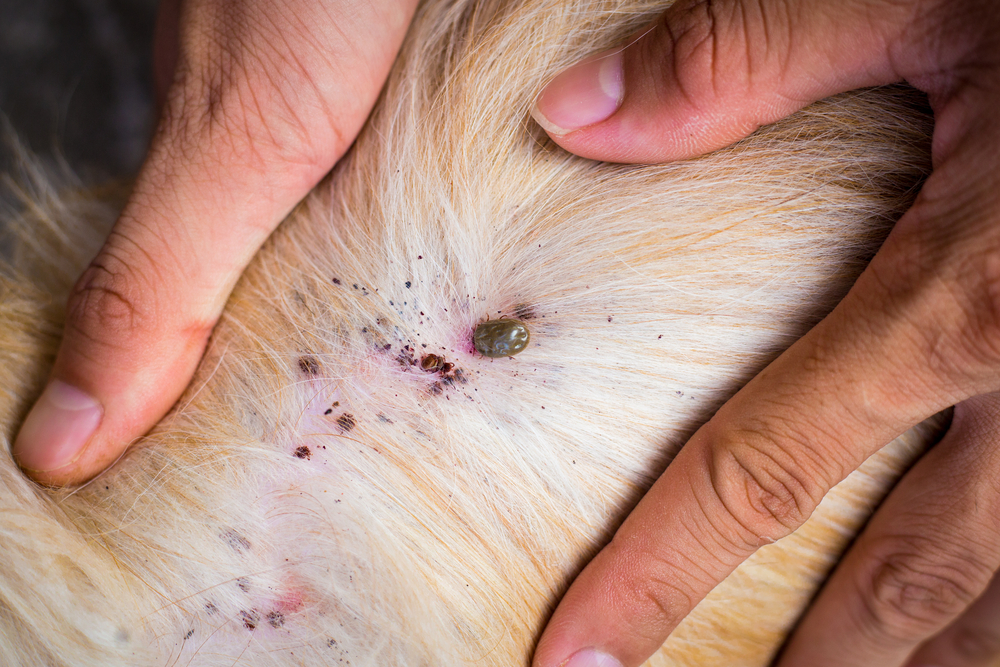
Fleas do not burrow into the skin, which means they can often be seen moving through your pet’s fur. They are roughly the size of a pinhead, dark copper or brown in color, and avoid light whenever possible. The easiest places to spot them are on your pet’s belly, groin area, or inner thighs.
Bathing your dog can also make fleas easier to detect. Fleas dislike water, and when your pet gets wet, they often scatter, making them easier to spot.
Even if you don’t see live fleas, you may notice flea dirt, which looks like small black specks similar to ground pepper. Flea dirt is actually flea feces made up of digested blood. To confirm its presence, place a speck on a damp paper towel. If it turns reddish-brown after a few minutes, fleas are present.
What to Do If Your Dog or Cat Has Fleas
Once fleas are established, they won’t go away without intervention. Effective flea control requires treating both your pet and the environment. To break the flea life cycle, you’ll need to address all stages of the infestation.
Chemical Flea Treatments
Chemical treatments are one of the fastest ways to eliminate fleas on pets. Oral medications like Capstar begin working within 30 minutes and can kill up to 90% of adult fleas within four hours. This type of treatment offers immediate relief, unlike some topical options that may take several days.
Another popular option is the Seresto flea collar, which can provide protection for up to nine months. However, if the collar becomes wet frequently, it may need to be replaced sooner.
When choosing any chemical flea treatment, it’s important to understand how it works. Some products kill only adult fleas, while others target eggs and larvae as well. If you’re unsure which option is best for your dog or cat, consult your veterinarian for guidance.
Non-Chemical Flea Treatment Options
For pet owners who prefer to avoid chemicals, natural flea control methods are available. Flea shampoos designed for dogs and cats can be effective, but they require time and patience. Most flea shampoos need to remain on the pet for about ten minutes to work properly.
While ten minutes may not seem long, many dogs—and most cats—find bathing stressful. Once the bath is complete, however, fleas can be removed using a fine-tooth flea comb, offering noticeable relief for your pet.
The Flea Life Cycle: Why Fleas Are So Hard to Eliminate
Understanding the flea life cycle is key to effective treatment. Under ideal conditions, the flea life cycle lasts approximately fourteen days, and a single flea can produce thousands of offspring during that time.
Fleas begin life as eggs, which hatch into larvae. These larvae resemble tiny caterpillars and eventually spin cocoons before emerging as adult fleas. Environmental conditions heavily influence how quickly this process occurs. Fleas thrive in temperatures between 65 and 80 degrees but are resilient enough to survive freezing conditions.
A female flea can lay 20 to 30 eggs per day, requiring frequent feeding. These tiny eggs easily fall into carpet fibers, floor cracks, furniture, and pet bedding. Once hatched, larvae feed on organic debris found in their surroundings.
As larvae grow, they molt twice before forming protective cocoons. Adult fleas emerge when they detect warmth, movement, or carbon dioxide—signals that a host is nearby. Once hatched, fleas immediately seek a host to feed on.
Because of this complex life cycle, treating only your pet is not enough. The environment must also be addressed, or the infestation will quickly return.
Treating Fleas in Your Home and Yard
Start indoor treatment by washing all bedding in hot, soapy water. This includes human bedding, pet beds, blankets, and any washable fabrics your pet uses. Carpets should be thoroughly vacuumed and shampooed, and vacuum bags should be discarded immediately.
In some cases, vacuuming and washing alone may not eliminate all fleas. Chemical carpet treatments may be necessary to fully resolve the problem.
Once the inside of your home is treated, move outdoors. Clean dog houses, kennels, and shaded areas where pets rest. Flea-control sprays designed for outdoor use can help reduce flea populations in yards and surrounding areas.
Preventing Fleas From Returning
After eliminating fleas, prevention becomes essential. Regularly check your dog or cat for signs of fleas, maintain routine flea prevention, and keep your home clean. Acting quickly at the first sign of fleas can prevent another full infestation.
With consistent care, proper treatment, and environmental management, you can keep fleas under control and ensure a healthier, more comfortable life for your pets.
This post is brought to you by Rocky Mountain Pooper Scoopers. They proudly serve the Greater Salt Lake City area, including Sandy, West Jordan, and Taylorsville, offering dependable and affordable pet waste removal services. Call (385) 392-0791 today for your free estimate—weekly rates start at just $18.00. Visit their website at rockymountainpooperscoopers.com to read reviews and learn more.
Happy Tails!
