
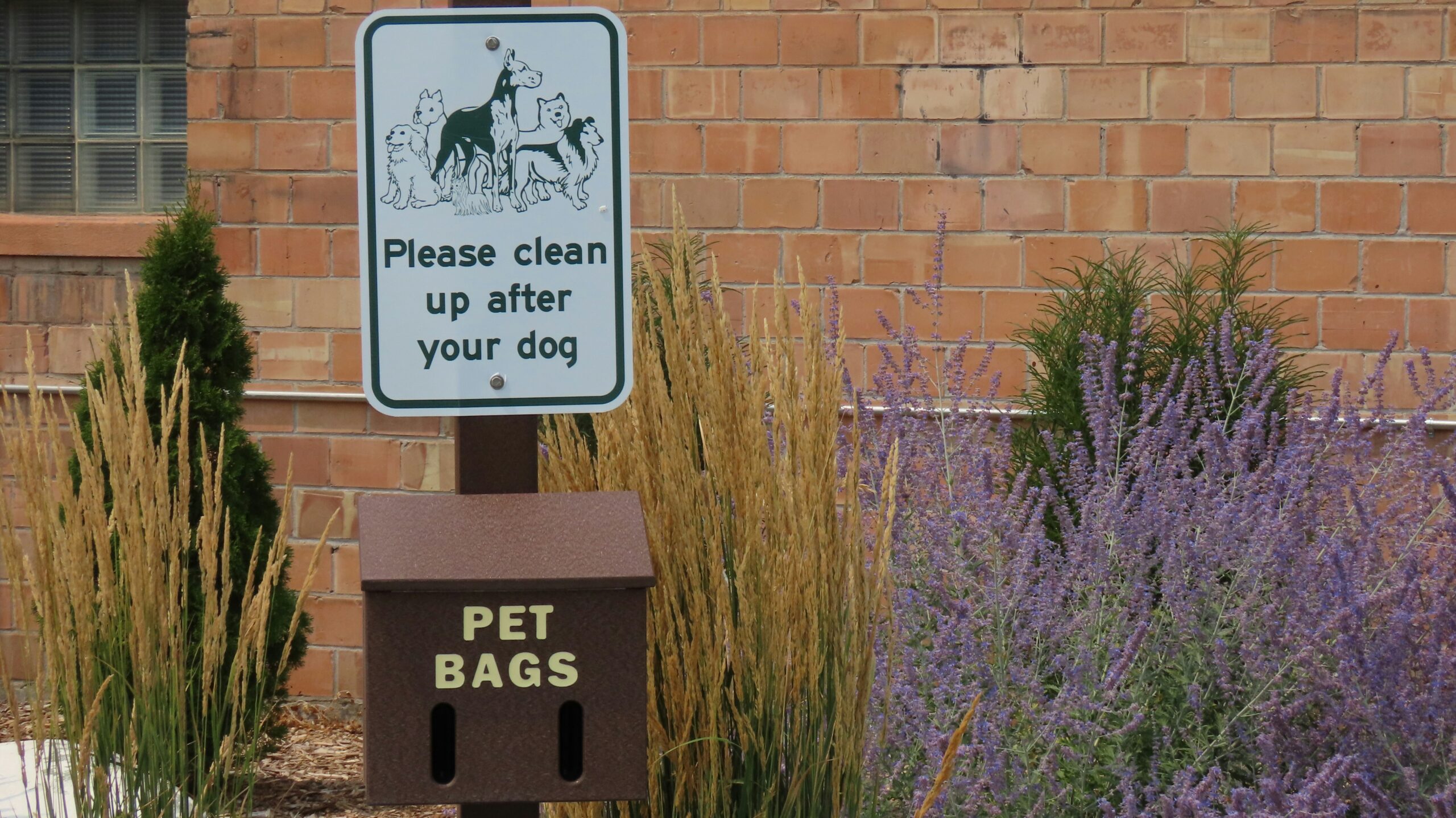
It may come as a surprise, but picking up after dogs is actually a fairly modern habit. For most of history, dogs lived primarily outdoors and were valued for working roles such as herding livestock or assisting with hunting. Where a dog relieved itself was of little concern, and pet waste was simply left to decompose naturally. Even after dogs became household companions and were trained to go outside, cleaning up after them was rarely expected. As Michael Brandow, author of New York’s Poop Scoop Law: Dogs, the Dirt, and Due Process, explains, many people once found the idea of handling dog waste far more disturbing than accidentally stepping in it.
When Dog Waste Became a Public Issue
That mindset began to change in the 1970s, when dog waste in densely populated urban areas—particularly New York City—became impossible to ignore. Sidewalks, parks, and public spaces were increasingly littered with dog excrement, and frustration among residents reached a boiling point. Supporters of mandatory cleanup argued that the situation had become unsanitary and unsafe, while opponents feared that regulating pet waste could lead to stricter laws targeting dog ownership altogether.
In 1978, New York City officially enacted its first poop scooping law. The reaction was intense. Many dog owners worried the city might eventually restrict or ban dogs, while organizations like the ASPCA expressed concern that overwhelmed owners might abandon their pets rather than comply. What began as a sanitation issue quickly turned into a heated debate between dog advocates and public health supporters.
Failed Ideas and Impractical Solutions
Before settling on mandatory pet waste cleanup, lawmakers explored several alternative ideas—most of which were unrealistic. One proposal suggested training dogs to eliminate only over sewer drains or indoors on paper. Another idea involved hiring municipal workers to clean up dog waste throughout the city. Dog owners quickly pointed out the impracticality of training dogs to follow such strict rules, while city officials recognized that staffing cleanup crews would cost millions—an expense the city simply could not afford.
None of these ideas solved the core problem in a cost-effective or realistic way.
The Birth of the Pooper Scooper
The turning point came when then-Mayor Ed Koch elevated the issue to the state level. During legislative hearings, an assemblyman demonstrated a newly invented tool: a simple device consisting of a bag attached to a handle that could scoop and seal dog waste without requiring direct contact. While the invention initially drew laughter, it proved that cleanup could be sanitary, quick, and accessible for everyday dog owners.
This invention helped lawmakers see that enforcing cleanup laws didn’t mean forcing people to handle waste directly—and that compliance was feasible.
Changing Habits Took Time
Passing the law did not immediately clean up the streets. The city launched an extensive public education campaign aimed at reshaping attitudes and normalizing responsible pet ownership. Over time, revisions clarified enforcement language, court challenges were resolved, and public resistance slowly faded. Eventually, New York City became the blueprint for pet waste laws across the United States, influencing cities nationwide—including communities throughout Utah.
Why the Debate Still Exists Today
Decades later, most people agree on one thing: leaving dog waste behind is a public health risk and a community nuisance. Pet waste carries bacteria and parasites, creates unpleasant odors, attracts pests, and no one enjoys discovering it underfoot. Yet despite widespread agreement on the problem, the task itself remains unpopular.
Scooping poop is messy, time-consuming, and especially unpleasant when you’re dealing with a full backyard instead of a single pile on a walk. That lingering reluctance is why professional dog waste removal services exist today—to solve a problem most people acknowledge, but few enjoy handling themselves.
Cleaning up after our dogs may be a relatively new responsibility in human history, but it’s now an essential part of keeping our neighborhoods, yards, and public spaces clean, healthy, and enjoyable for everyone.
This post is brought to you by Rocky Mountain Pooper Scoopers. They proudly serve the Greater Salt Lake City area, including Sandy, West Jordan, and Taylorsville, offering dependable and affordable pet waste removal services. Call (385) 392-0791 today for your free estimate—weekly rates start at just $18.00. Visit their website at rockymountainpooperscoopers.com to read reviews and learn more.
