
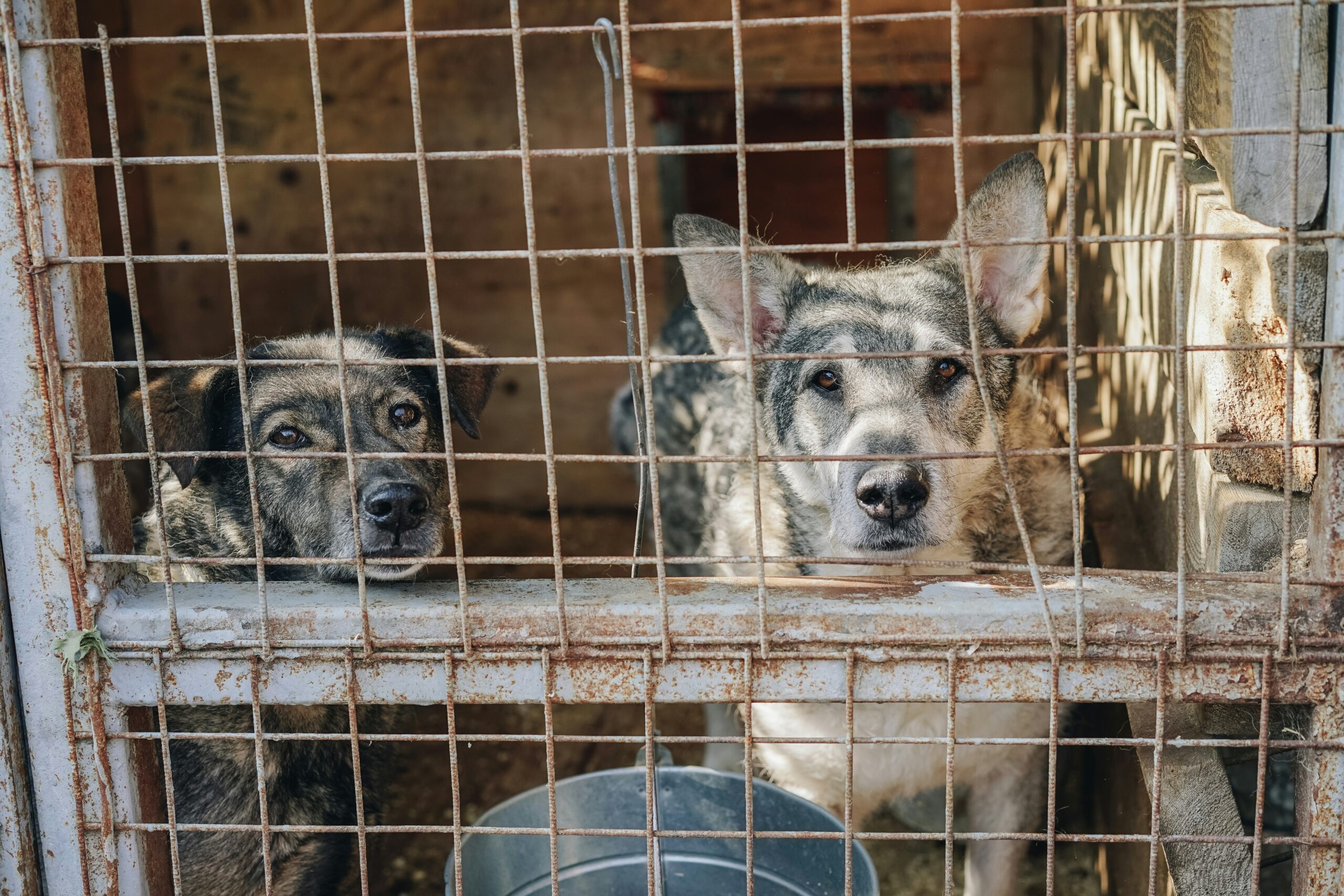
Getting a dog can be one of the most joyful and meaningful experiences a person can have. Dogs bring companionship, improve emotional well-being, reduce stress, and motivate us to stay active. Studies consistently show that pets can help lower blood pressure, ease feelings of loneliness, and even support better mental health. However, deciding which dog to bring into your life is not always a simple choice. Many future pet owners assume that buying from a breeder or pet store is the safest or most predictable option. In reality, adopting a shelter dog is often the most rewarding—and life-changing—decision you can make. Here’s why choosing a rescue dog deserves serious consideration.
Rescue Dogs Understand What It Means to Be Saved
Dogs who end up in shelters have often experienced confusion, fear, and loss. Being removed from a familiar environment and placed into a kennel can be overwhelming, especially if the dog has not been fostered in a home setting. Shelters are often loud, crowded, and unfamiliar, which can be stressful for even the most adaptable animals.
When you adopt a shelter dog, you are offering safety, consistency, and love—sometimes for the first time in their lives. Many rescue dogs truly seem to understand that they’ve been given a second chance. That awareness often shows through unwavering loyalty, deep emotional bonds, and a strong desire to please. Dogs who have experienced hardship frequently form especially close connections with their new families. There are few feelings more fulfilling than knowing you changed the entire course of an animal’s life simply by opening your home and heart.
Shelter Dogs Often Come With More Known History Than You Think
One of the most common myths about shelter dogs is that their backgrounds are unknown. In many cases, the opposite is true. Dogs sold through pet stores, puppy mills, or irresponsible breeders often come with very little reliable information about their lineage, health history, or early socialization. Even when meeting a puppy’s parents, there is no guarantee the puppy will inherit their temperament, size, or behavior.
Shelter dogs, especially those placed in foster homes, are often closely observed before adoption. Foster families and rescue staff can provide valuable insights into how a dog behaves in a household, interacts with children or other pets, handles car rides, or responds to training. Reputable shelters also ensure that dogs receive veterinary evaluations, vaccinations, and spay or neuter procedures. This level of care helps ensure you’re welcoming a healthy, well-assessed dog into your home.
Shelters Do Have Purebred Dogs—More Than You Might Expect
Another widespread misconception is that shelters only house mixed-breed dogs. In reality, shelters and rescues regularly take in purebred dogs of all sizes and breeds. You might be surprised to find Labrador Retrievers, German Shepherds, Boxers, Bulldogs, and many other purebreds waiting for homes.
In fact, breeders themselves are sometimes responsible for surrendering dogs. When puppies don’t sell quickly, or when breeding dogs age out of production, they may be relinquished to shelters. Because of this, it’s a mistake to overlook shelters if you’re hoping for a specific breed. Whether you’re interested in a purebred or a mixed breed, shelters offer a wide variety of dogs with diverse personalities and energy levels.
Most Shelter Dogs Are Not There Because Something Is “Wrong”
Many people assume that dogs in shelters were abandoned due to serious behavioral issues or illness. While medical or behavioral needs do occur, the reality is far less dramatic. Most dogs are surrendered due to circumstances unrelated to the dog’s behavior or health.
Common reasons dogs are brought to shelters include:
-
Families moving to housing that does not allow pets
-
Landlord restrictions
-
Financial hardship or unexpected expenses
-
Allergies developing within the household
-
Too many animals in one home
-
Personal or family challenges that limit the ability to provide care
In many cases, these dogs are healthy, friendly, and well-adjusted. They simply need a new situation that better fits their owner’s changing life circumstances.
Why Adopting an Older Dog Can Be an Incredible Choice
While puppies are undeniably adorable, they also require a significant investment of time, patience, and energy. Shelters do have puppies, but adult and senior dogs often wait the longest for homes—and they come with many advantages.
Older dogs are usually already housebroken, saving you months of potty training. They tend to have larger bladders, meaning fewer accidents and less frequent nighttime trips outside. Most adult dogs are past the destructive chewing phase, so your furniture, shoes, and belongings are far less likely to become targets.
Puppies also require frequent nighttime attention, similar to infants. Adult dogs typically sleep through the night and adapt quickly to household routines. Additionally, when adopting an adult dog, you already know their size, coat type, energy level, and general temperament. This makes it easier to find a dog that fits seamlessly into your lifestyle. Instead of waiting months or years to discover what a puppy will become, you gain an instant companion ready to share life with you.
October Is the Perfect Time to Adopt a Shelter Dog
October is Adopt-a-Shelter-Dog Month, making it an ideal time to consider giving a rescue dog a loving, permanent home. To celebrate shelter adoptions and support new pet parents, Rocky Mountain Pooper Scoopers is offering a special incentive to help you start off on the right paw.
If you adopt a shelter dog this October, Rocky Mountain Pooper Scoopers will provide one free scoop to help you enjoy a clean, pet-friendly yard from day one. Simply call (385) 392-0791 and mention #BigScooPUP, or visit www.rockymountainpooperscoopers.com for more information.
We’d also love to celebrate your adoption story with you. Share a photo of your new furry family member on our Facebook page and tell us how adoption changed your life. Every rescue story inspires others to consider giving a shelter dog the second chance they deserve.
Adopting a rescue dog isn’t just about bringing home a pet—it’s about saving a life, gaining a loyal companion, and making a meaningful difference that lasts forever.
