
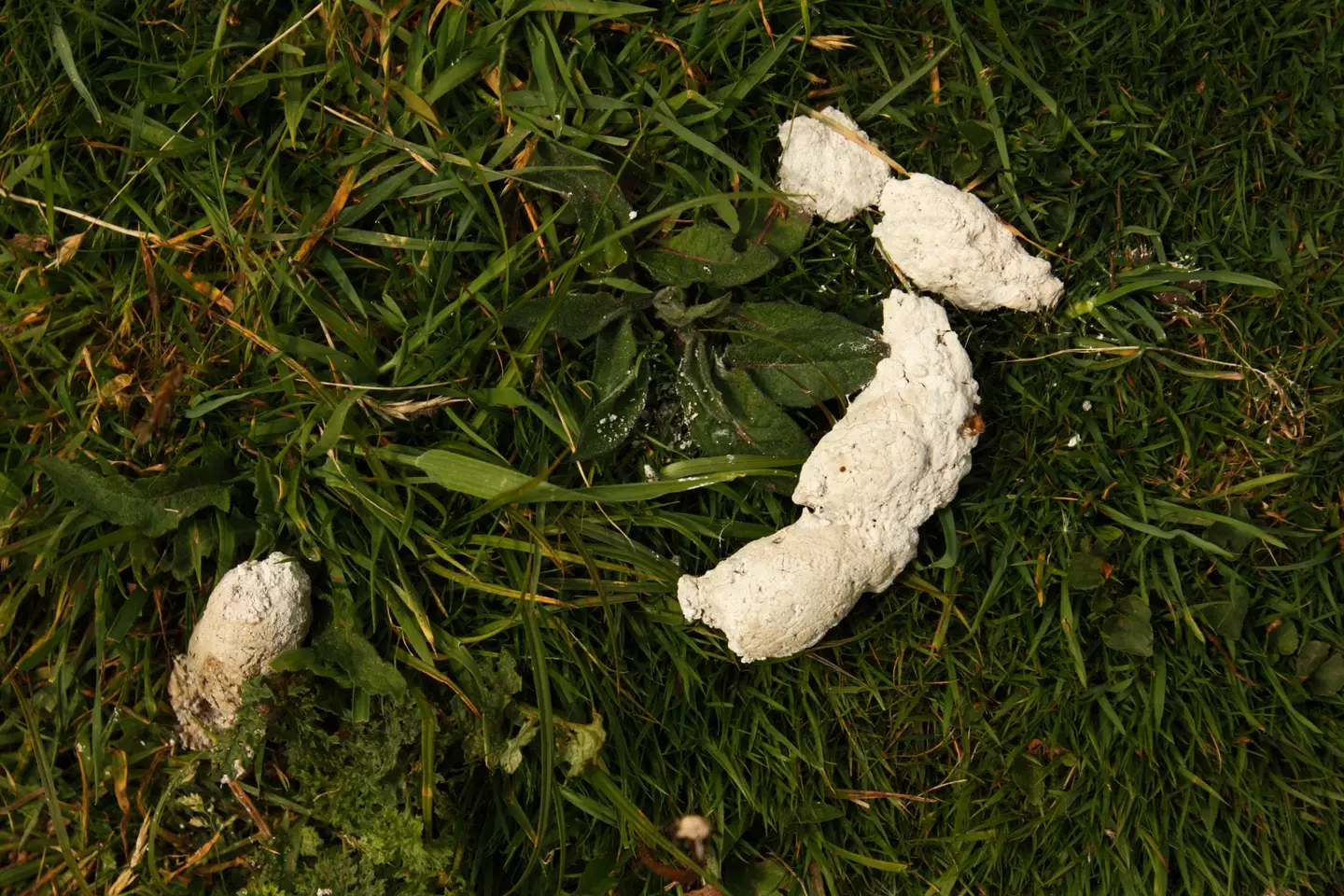
It’s unusual for a dog to pass a stool that’s chalk-like and white in color. In fact, it’s typically brown, or occasionally yellow, but seldom does it emerge white. While there might not be anything concerning with your dog, you may need to make a few adjustments to ensure they continue to live a long and healthy life.
Reasons for White Poop
There is more than one explanation your dog might have white poop. If you’ve left a pile in the yard, it might change color due to the fact that it’s been sitting in the sun too long. However, it may also be a factor of your dog’s diet.
If you feed your dog a diet that is high in calcium and other minerals, their poop might transform from light brown to white within twenty-four hours of consumption. It might also appear white because they’ve been chewing on too many bones. White poop is also most common in dogs that are fed a raw food dog food diet.
When your dog ingests too much calcium, it might also result in constipation. If you notice your dog has white poop, you might try doing the following:
Feed them fewer bones as part of their diet, especially in a raw food dog food diet. Feed them one teaspoon of canned pumpkin per ten pounds of your dog’s weight each time you feed them.
Dogs that eat things that aren’t meant for dogs might also have white poop. We all know that dogs aren’t selective about what they put into their mouths, and yes, some of these will affect the color of their poop. Paper products, for example, when consumed in large amounts, often lead to white poop. They can also turn their poop grey in color as well.
Try to limit your dog’s access to anything other than their regular diet. If they enjoy pulling toilet paper off the roll and then eating it, you may need to keep the door closed between visits. Keep toilet paper and tissues out of reach of curious paws and noses if your dog does happen to have a tissue obsession.
When dogs eat strange things at random, it might be because they are bored or curious. If this happens to be an ongoing problem, it might be a condition known as PICA. This is something you may wish to discuss with your veterinarian.
They can test your dog for underlying conditions that cause PICA, and if necessary, your dog may be placed on medication, therapy, or possibly even both.
While this might sound unpleasant, pay attention to the color of your dog’s poop because it can tell you a lot about the health of your dog. If their poop is brown and well-formed, then you have nothing to worry about. If their poop is grey or white in color, then you’ll need to determine why it’s changed color.
Collect a sample after your dog poops, seal it in a plastic bag and take it to your veterinarian for examination. Your dog might have an underlying health condition, and if caught early, you might be able to avoid a serious problem with your dog’s health.
This post is brought to you by Rocky Mountain Pooper Scoopers. They proudly serve the Greater Salt Lake City area, including Sandy, West Jordan, and Taylorsville, offering dependable and affordable pet waste removal services. Call (385) 392-0791 today for your free estimate—weekly rates start at just $18.00. Visit their website at rockymountainpooperscoopers.com to read reviews and learn more.
Happy Tails!
