
Twelve-year-old Cailyn lives with Asperger’s Syndrome, a condition that once made emotional regulation extremely difficult for her. Before receiving a proper diagnosis, she experienced frequent emotional outbursts, episodes of aggression, and ongoing struggles at school. Forming friendships was challenging, and her mother, Tina, worried constantly about what the future might hold for her daughter.
After Cailyn’s diagnosis, a structured treatment plan was introduced. With the help of medication to manage anxiety and consistent emotional support, she began to show meaningful improvement both at home and in the classroom. One of the most impactful parts of her progress came in the form of an emotional therapy dog named Bella—a small Yorkshire Terrier who entered the family’s life under unexpected circumstances.
Bella was adopted by the Galloway family three years ago after the passing of a relative left the dog without a permanent home. Almost immediately, Bella and Cailyn formed a strong bond. Over time, Cailyn learned to turn to Bella for comfort during moments of stress or emotional overload. Bella, in turn, remained calm, patient, and responsive to Cailyn’s needs. Today, Bella wears a vest identifying her as an emotional support dog, and the family carries documentation from a licensed psychiatrist confirming her role in Cailyn’s treatment plan.
What Emotional Support Dogs Do—and What They Don’t Do
Emotional support dogs play a vital role for individuals managing mental and emotional health conditions, including anxiety disorders, panic attacks, bipolar disorder, and post-traumatic stress. According to the National Institute of Mental Health, more than one in four adults in the United States experiences some form of mental health condition, which helps explain why emotional support animals are becoming more common.
While emotional support dogs can be a legitimate and valuable part of a treatment plan, they are not classified as service dogs under the Americans with Disabilities Act (ADA). This distinction is important. Emotional support dogs do not receive the same public access rights as service dogs and are generally not permitted in restaurants, retail stores, or other businesses that restrict animals.
However, emotional support dogs may still be allowed certain accommodations, such as traveling in the cabin of an airplane without additional fees, provided the handler has appropriate documentation from a licensed mental health professional.
Service Dogs and Their Specialized Training
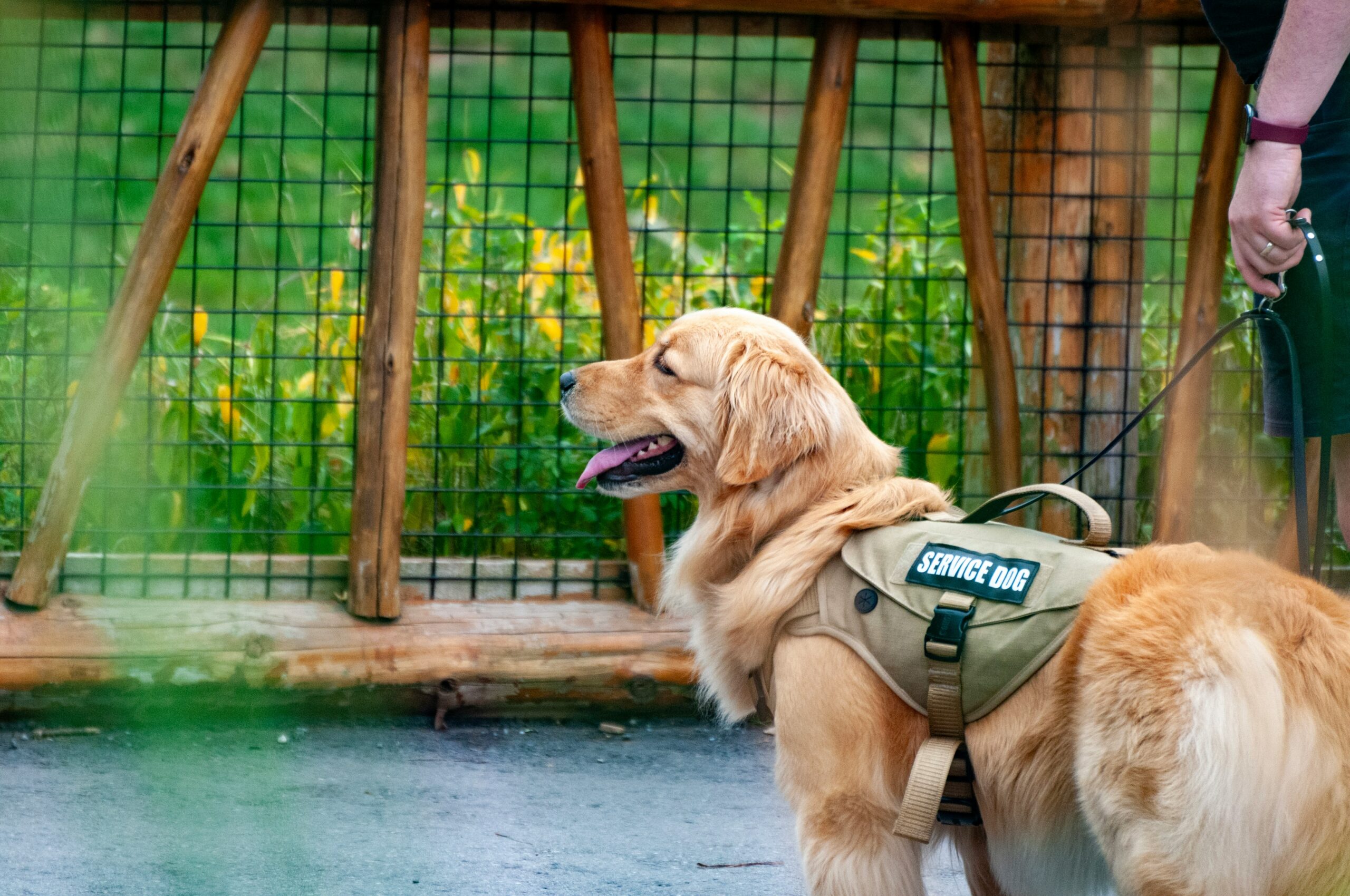
In contrast, service dogs are trained to perform specific tasks for individuals with disabilities. Rebekah, for example, has a service dog provided by Canine Companions for Independence. Her dog, a Labrador Retriever, has undergone extensive professional training to assist with daily needs.
According to Rebekah’s mother, Marilyn, the presence of the service dog has had a profound effect. Rebekah has become calmer, more engaged, and more connected with her family. These dogs are not pets in the traditional sense—they are working animals trained to perform essential tasks that directly support their handlers.
The Growing Problem of Misrepresentation
Cases like Cailyn’s and Rebekah’s highlight how powerful and necessary support and service dogs can be when used appropriately. Unfortunately, not everyone respects the laws and responsibilities surrounding these animals.
In recent years, it has become increasingly common for individuals to falsely claim their pets as service or support animals. Numerous online companies now sell counterfeit certificates, identification cards, and vests, allowing pet owners to bypass rules and bring their dogs into restricted spaces or onto flights at no cost.
This misuse creates real problems. Fellow travelers may have severe dog allergies, requiring seating changes and causing flight disruptions. Businesses may grow more skeptical of legitimate service animals after negative experiences with poorly behaved pets. Most concerning, this behavior puts individuals who truly rely on trained service dogs at risk of being questioned, denied access, or treated unfairly.
When an untrained dog causes disturbances in public places—whether barking during a meal or acting out in crowded spaces—it undermines the credibility of legitimate service animals and the people who depend on them.
Respecting the Purpose of Working Dogs
If a person does not have a qualifying disability, they do not need a service dog—and pretending otherwise harms those who do. Service dogs are not accessories or conveniences; they are essential tools that provide independence, safety, and emotional stability for their handlers.
Respecting the distinction between pets, emotional support animals, and service dogs is not just about following the law—it’s about protecting access, dignity, and trust for those who genuinely need these animals in their daily lives.
This post is brought to you by Rocky Mountain Pooper Scoopers. They proudly serve the Greater Salt Lake City area, including Sandy, West Jordan, and Taylorsville, offering dependable and affordable pet waste removal services. Call (385) 392-0791 today for your free estimate—weekly rates start at just $18.00. Visit their website at rockymountainpooperscoopers.com to read reviews and learn more.
Happy Tails!
