
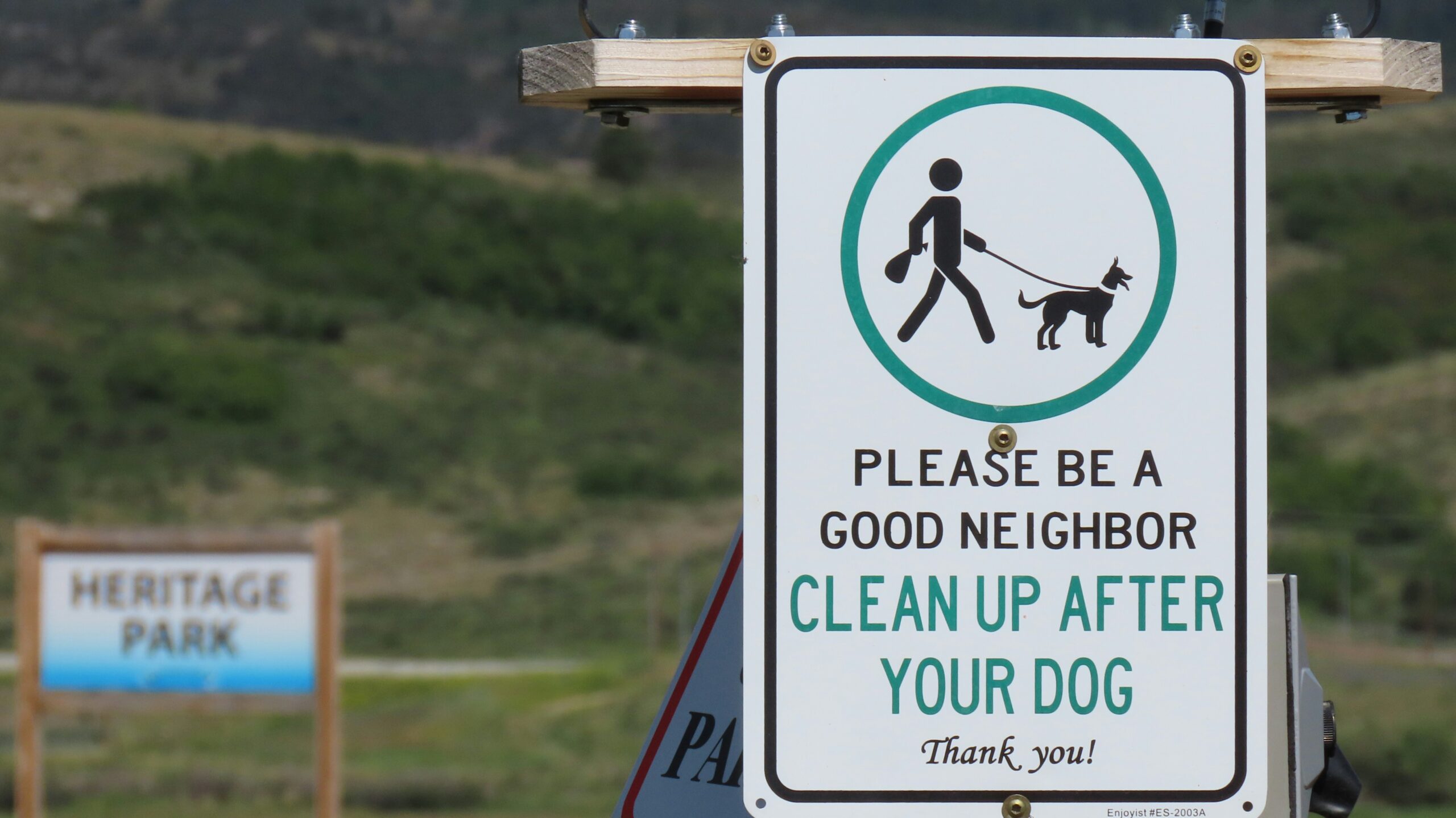
It’s hard to imagine now, but picking up after your dog wasn’t always expected—or required. For much of history, dogs roamed freely, and pet waste was largely ignored. That all began to change in the late 20th century, when growing urban populations made unscooped dog poop impossible to overlook. The turning point came in 1978, when New York City became the first major U.S. city to mandate pooper scooping, setting a precedent that would eventually influence communities across the country.
The Birth of Pooper Scooping Laws
Before the 1970s, dog waste was considered more of a nuisance than a public health issue. As cities grew denser, sidewalks, parks, and shared green spaces became increasingly contaminated. Complaints mounted, public frustration grew, and health officials began raising concerns about bacteria, parasites, and water pollution linked to pet waste.
New York City’s 1978 pooper scooper law was controversial at the time. Many dog owners pushed back, arguing that the rule was inconvenient or unnecessary. Animal welfare groups even worried that the requirement might discourage pet ownership. Despite the resistance, the law remained—and over time, public attitudes shifted. What once felt intrusive soon became common sense.
Why That 1978 Law Changed Everything
New York’s decision created a ripple effect. Other major cities began adopting similar ordinances, recognizing that dog waste posed serious risks beyond unpleasant odors. Studies showed that dog poop contains harmful bacteria such as E. coli and Salmonella, as well as parasites like roundworms and hookworms, which can survive in soil long after the waste itself disappears.
Municipalities realized that regulating pet waste wasn’t about aesthetics—it was about public health, environmental protection, and community safety. Over the following decades, pooper scooping laws became standard practice throughout the United States.
How Utah Fits Into the Picture Today
While Utah cities didn’t lead the charge in the 1970s, they have fully embraced the importance of responsible pet ownership. Communities across the Greater Salt Lake City area, including Sandy, West Jordan, and Taylorsville, now have clear regulations requiring pet owners to clean up after their dogs in public spaces.
Utah’s outdoor-focused lifestyle makes this especially important. With so many residents enjoying parks, trails, yards, and neighborhood greenbelts, leaving dog waste behind doesn’t just affect one household—it impacts everyone. When dog waste is ignored, it can wash into storm drains, contaminate waterways, and contribute to algae growth that harms aquatic life.
From Sidewalks to Backyards: The Ongoing Challenge
While pooper scooping laws are widely followed in public areas, backyards are often overlooked. Many pet owners don’t realize that leaving dog poop in the yard can pose the same risks as leaving it on a sidewalk. Parasites can linger in soil, flies are attracted to waste, and pets—especially puppies—may even ingest feces, increasing the risk of illness.
In Utah’s warm months, these problems intensify. Heat accelerates odor, bacteria growth, and insect activity, making regular pet waste removal even more critical for maintaining a clean, usable yard.
Why Pooper Scooping Is Here to Stay
What began as a controversial law in 1978 has evolved into an accepted—and expected—part of pet ownership. Today, scooping the poop is seen as a simple act of courtesy that protects neighbors, children, pets, and the environment.
For busy Utah families, professional dog waste removal services have become a practical solution, ensuring yards remain clean without the hassle. Whether handled personally or professionally, consistent pet waste removal reflects a shared commitment to healthier communities.
More than four decades after New York’s groundbreaking decision, the message is clear: pooper scooping isn’t just polite—it’s essential.
