
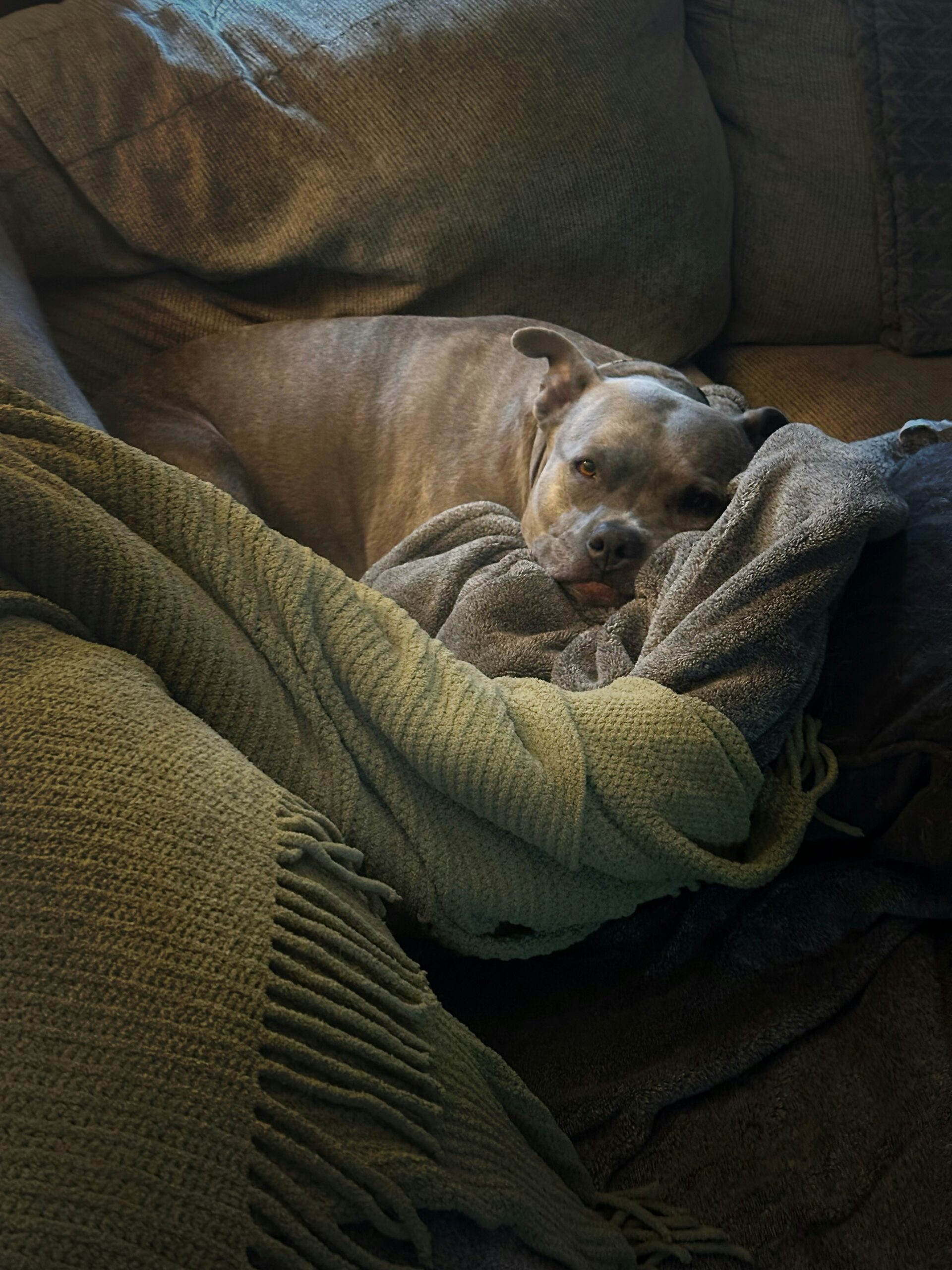
When a divorce is on the horizon, major decisions must be made. Property is divided, homes may be sold, and child custody arrangements are determined with the best interests of the children in mind. But for many couples, another important question arises: what happens to the pets? When animals are deeply bonded to both spouses, deciding what’s best for them can become just as emotionally charged.
In Illinois, the court system now has the authority to address this issue directly. A law that went into effect on January 1, 2018, allows judges to consider the well-being of companion animals when ruling on the dissolution of a marriage. Rather than treating pets strictly as property, courts may now evaluate what outcome best serves the animal involved.
Pet custody disputes have increased significantly in recent years. Many modern households—especially dual-income couples without children—invest enormous time, care, and emotional energy into their pets. As a result, both parties often feel equally entitled to continued companionship after a separation.
While many couples are able to reach an agreement privately, others are not so fortunate. When disputes over pets reach the courtroom, laws like the one passed in Illinois provide judges with clearer guidance. Instead of automatically awarding the pet to one spouse, the court may consider shared custody, sometimes referred to as joint ownership.
Several other states have enacted similar measures. Alaska and Rhode Island, for example, have laws that address pet custody during divorce, though these statutes typically apply only to animals considered marital assets. Service animals are treated differently, as they must remain with the individual who relies on them for daily functioning.
In Utah family courts, pet custody cases are generally handled with less formality than child custody disputes. If both parties cannot reach an agreement on pet ownership, a judge will typically designate one individual as the primary owner of the animal.
In some situations, decisions are simplified based on the number and type of pets involved. For example, if a household has two dogs, one may go with each spouse. In homes with both cats and dogs, a judge may award one type of pet to each person to minimize conflict.
Unfortunately, pets—much like children—can sometimes become leverage during contentious divorces. When disagreements escalate, courts may look at several factors to determine custody, including:
-
Who provided the majority of daily care
-
Who purchased food, toys, and supplies
-
Who handled veterinary visits and medical decisions
If both parties are willing to cooperate, a judge may approve a pet visitation schedule. While these schedules are often more flexible than those involving children, many families take them seriously and adhere closely to the agreed terms.
In Utah, pet ownership is widespread, with a large number of households caring for dogs, cats, or both. Although pet custody is not yet explicitly defined in Utah law, courts are increasingly recognizing pets as more than simple property. Judges are beginning to treat these cases with greater consideration, acknowledging the emotional bonds involved.
This shift may be influenced by the legal parallels between pets and children recognized in family law, including:
-
Both require food, shelter, and consistent care
-
Neither can care for themselves independently
-
Both depend on responsible adults to thrive
Courts may also evaluate similar welfare factors when considering the best interests of pets, such as:
-
Emotional support and nurturing
-
Access to food, water, and proper nutrition
-
Grooming and hygiene needs
-
Safe and stable shelter
-
Transportation safety
-
Ongoing medical care
If you are facing a divorce or separation that involves pets, it’s important not to navigate the situation alone. Family law judges must weigh many considerations, and not all parties fully understand what pet custody entails. Seeking legal guidance can help ensure that decisions are made thoughtfully—with the well-being of both people and pets in mind.
This post is brought to you by Rocky Mountain Pooper Scoopers. They proudly serve the Greater Salt Lake City area, including Sandy, West Jordan, and Taylorsville, offering dependable and affordable pet waste removal services. Call (385) 392-0791 today for your free estimate—weekly rates start at just $18.00. Visit their website at rockymountainpooperscoopers.com to read reviews and learn more.
Happy Tails!
