
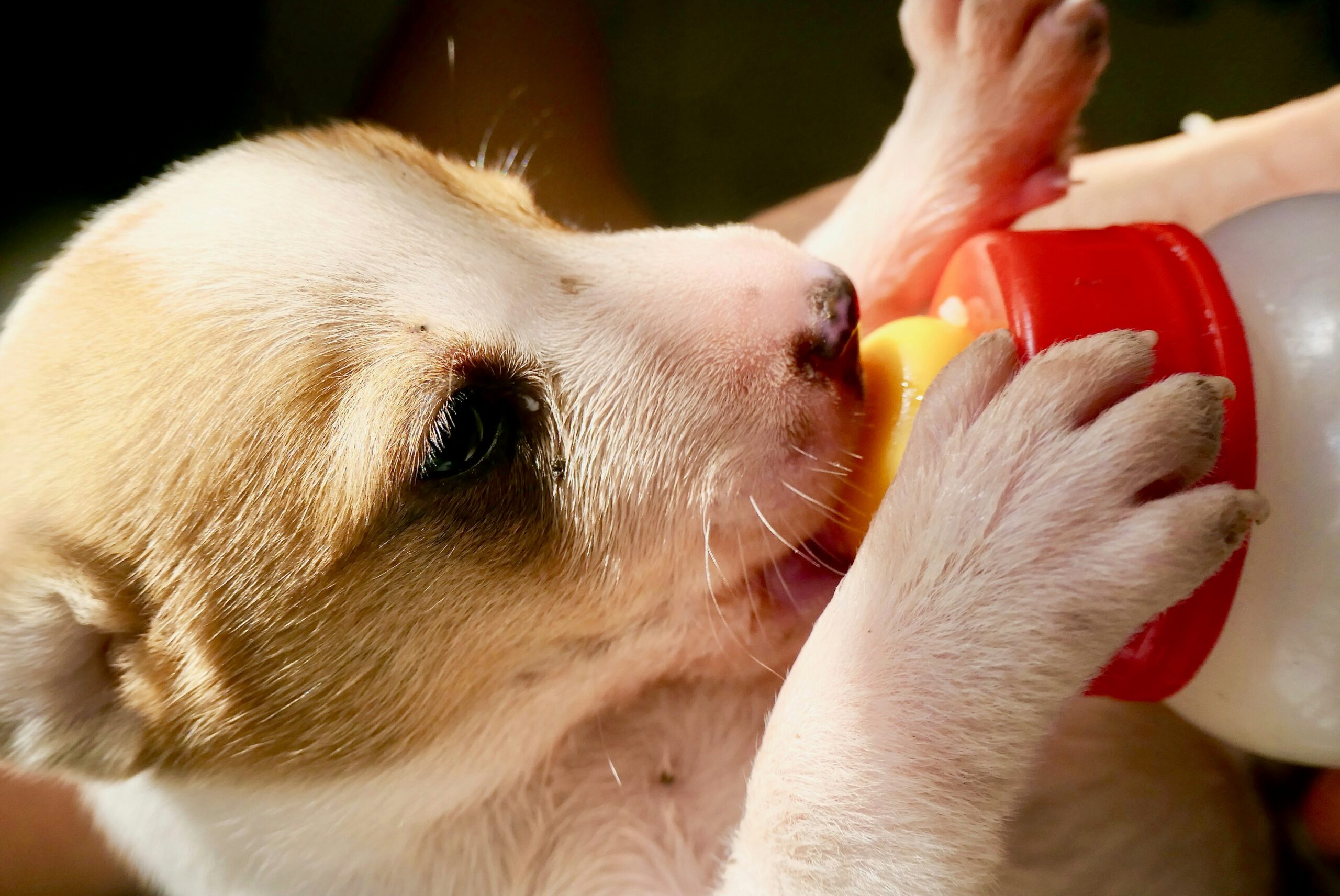
Some pet parents prefer to keep their dogs on a consistent routine, serving the same amount of food at the same times each day—usually once in the morning and once at night. Others take a more relaxed approach and allow their dogs to eat throughout the day as they please. When it comes to feeding your dog, there isn’t a single method that works best for everyone. In reality, dogs can thrive under different feeding styles as long as their nutritional needs are met. Below are three common ways to feed your dog while still supporting good health.
#1) LET YOUR DOG CHOOSE HIS MEAL TIME
One option is to allow your dog to decide when—and how much—he wants to eat. This free-feeding method works well for dogs that are highly active and able to maintain a healthy weight without overeating. If you choose this approach, dry dog food is the best option since it won’t spoil when left out.
Free feeding is generally more effective when food is offered indoors rather than outside. Leaving food outdoors can attract insects, rodents, and local wildlife that most Utah homeowners would prefer to keep away from their yards.
#2) PORTION CONTROL
Some dogs simply don’t know when to stop eating, which makes portion control a better choice. Start by consulting your veterinarian to determine your dog’s ideal weight and caloric needs. Your veterinarian can also help you select an appropriate dog food if a change is needed.
If you’re feeding kibble from a bag, use the feeding guidelines as a starting point, but remember that these are general recommendations. Some dogs require more food, while others need less. When practicing portion control, feeding once or twice a day is usually best. Meals can be spaced eight to twelve hours apart.
If you feed your dog twice daily, be sure to divide the total daily portion into two equal servings. Failing to do so could result in your dog consuming more calories than necessary, which may lead to weight gain over time.
#3) WATCH THE CLOCK
Another feeding method involves setting a specific time window for meals. With this approach, you place food down for your dog and allow him approximately thirty to forty-five minutes to eat. Once that time has passed, any remaining food is removed until the next scheduled feeding.
This method can be effective for dogs that regulate their intake well, but it may feel inconvenient or wasteful since uneaten food is discarded. For that reason, this approach tends to appeal to pet owners who aren’t concerned about overeating but want to establish a clear routine.
When feeding your dog, it’s important to remember that no two dogs are exactly alike. Activity level plays a major role in determining how much food a dog needs. A highly active dog may require more calories than one who spends most of the day resting indoors.
If your dog struggles with weight issues, talk to your veterinarian about switching to a more nutrient-dense food that contains fewer calories per serving. Ultimately, the way you choose to feed your dog is a personal decision. There’s no universal right or wrong method—what matters most is finding an approach that keeps your dog healthy, happy, and well-nourished.
This post has been brought to you by Rocky Mountain Pooper Scoopers. Rocky Mountain is the leading pet waste removal service in the Greater Salt Lake City area, including Sandy, West Jordan, and Taylorsville. Give them a call today at (385) 392-0791 for a free quote. Weekly rates start at just $18.00. Visit their website at rockymountainpooperscoopers.com for customer reviews and additional information.
Happy Tails!
