
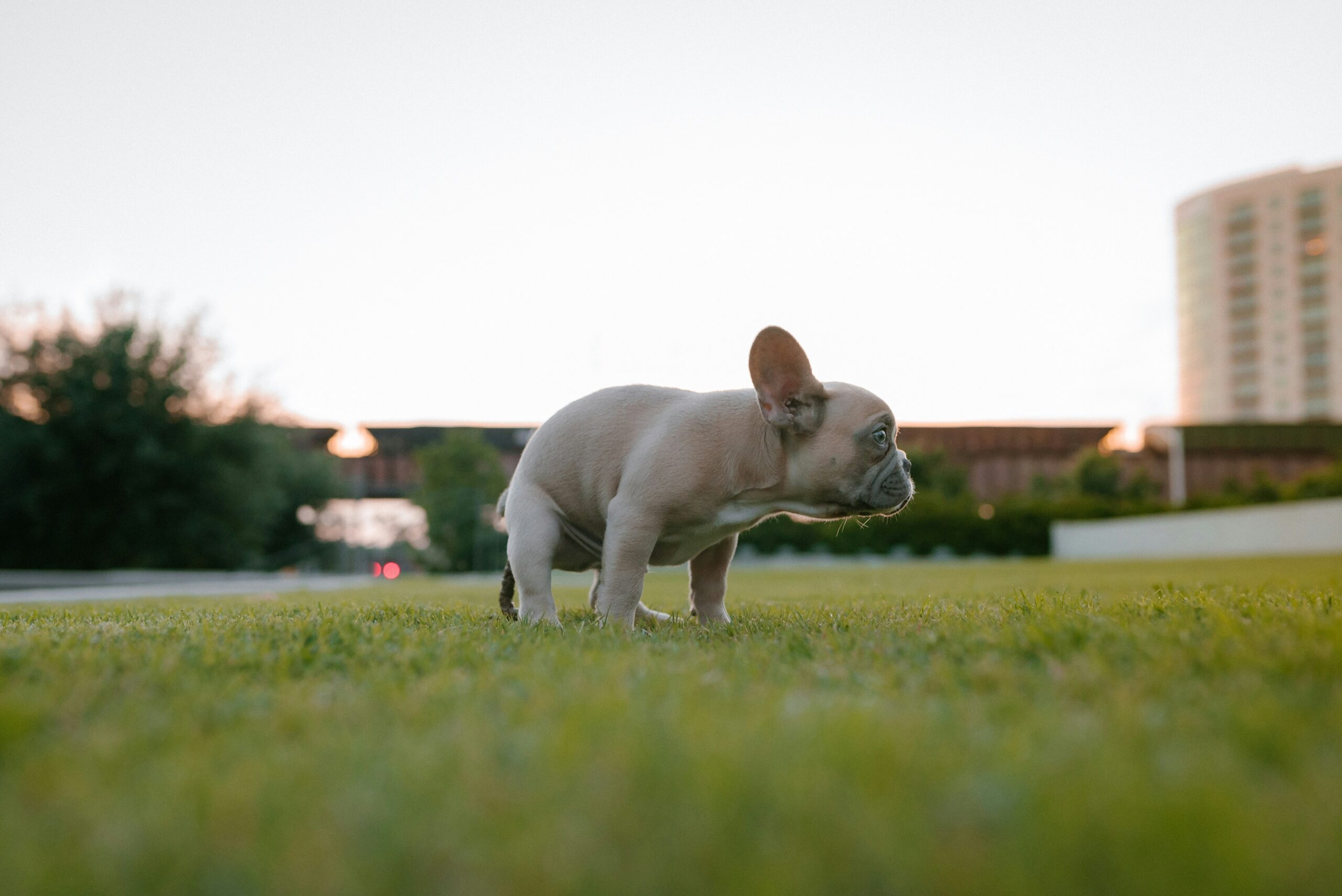
Sharing your home with dogs also means accepting one unavoidable responsibility: cleaning up dog poop. Of all the chores that come with pet ownership—vacuuming fur, washing bowls, or trimming nails—picking up dog poop is often the least enjoyable. We’ve talked before about why keeping your yard free of dog poop is important, but today we’re shifting the focus slightly. Instead of just removing it, let’s talk about observing it. As unappealing as it may sound, paying attention to your dog’s poop can reveal valuable information about his overall health. From color to texture, your dog’s poop tells a story. Once you’ve learned what to look for, you can leave the cleanup to Rocky Mountain Pooper Scoopers and enjoy a cleaner yard without the mess.
Here are six important things to watch for when it comes to your dog’s poop:
Poop That Looks Like a Firm Brown Log
This is exactly what you want to see. Healthy dog poop should be firm, well-formed, and brown—often compared to a solid log. If your dog’s poop resembles modeling dough in consistency and has a chocolate-brown color, it’s a strong sign that his digestive tract is functioning properly. While all poop has an odor, healthy stool should only have a mild smell rather than an overpowering stench.
Your Dog Poops a Lot—and It Smells Terrible
The volume and smell of your dog’s poop often reflect the quality of his food. Large amounts of poop with a strong odor usually indicate that the food contains excessive fillers. Lower-quality dog foods often replace meat with ingredients like corn, wheat, or potatoes, which are harder for dogs to digest. More fillers mean more waste and a stronger smell. If you suspect your dog’s diet may be the issue, talk with your veterinarian about making a gradual switch to a higher-quality food. Sudden changes can upset your dog’s digestive system and cause additional problems.
It’s Loose
Loose stool or diarrhea is commonly caused by something your dog ate that didn’t agree with him. This could be greasy table food, spoiled scraps, or something he found while exploring the yard. When the digestive tract struggles to process an irritant, diarrhea is often the result. In many cases, once the offending item passes, your dog’s poop will return to normal.
However, diarrhea can also signal underlying issues such as food allergies, infections, or other illnesses. If loose stool lasts more than a couple of days or is accompanied by other symptoms, contact your veterinarian. While mild cases may resolve on their own, persistent diarrhea should always be evaluated by a professional.
It’s Small and Hard, Like Pebbles
Poop that looks like small rocks or pellets is a sign of constipation. This can happen when a dog consumes too much fiber, eats too many vegetables, or doesn’t drink enough water to keep the digestive tract balanced.
Constipation can also be caused by something far more serious, such as a bowel obstruction. Dogs may swallow foreign objects like socks, toys, or fabric, which can block the intestines. A bowel obstruction is a medical emergency and can be fatal if not treated promptly. If your dog hasn’t pooped in several days, contact your veterinarian immediately.
Dogs with long hair may experience additional challenges. Excessive grooming or itching can cause them to ingest fur, which may collect in the digestive tract and contribute to blockages or constipation.
Poop Covered in Mucus
The colon naturally produces a slippery, jelly-like mucus that helps stool pass more easily. Seeing a small amount of mucus on your dog’s poop is normal, even if it’s unpleasant to look at. However, excessive mucus is a cause for concern.
Large amounts of mucus may indicate a food intolerance, allergy, or gastrointestinal inflammation. If you notice repeated mucus-covered stools, it’s best to consult your veterinarian so the underlying issue can be identified and treated.
Pay Attention to the Color of His Poop
Color changes in dog poop can provide critical clues about your dog’s health. Healthy stool should be brown. Any other color deserves attention.
Green poop may signal a gallbladder issue or difficulty digesting fat. The gallbladder plays a role in fat digestion, and problems here may require dietary changes—but always consult your veterinarian before switching foods.
Black, tar-like poop can indicate bleeding in the upper gastrointestinal tract and requires immediate veterinary attention. Yellow or orange stool, or poop that appears clay-colored, may suggest liver problems. Gray stool can point to pancreatic issues.
Bright blue or green stool may indicate exposure to rat poison, which is a medical emergency. If your dog’s poop appears any color other than brown, contact your veterinarian right away—it could save your dog’s life.
Yes, dog poop is unpleasant, but it’s also an essential indicator of your dog’s health. Being a responsible pet owner means both monitoring your dog’s well-being and cleaning up after him. If you don’t have the time—or simply don’t want to handle the mess—your local pet waste removal service is ready to help. Rocky Mountain Pooper Scoopers proudly keeps Utah yards clean, safe, and poop-free. Give them a call today and let them take one dirty chore off your list for good.
This post has been brought to you by Rocky Mountain Pooper Scoopers. Rocky Mountain is the leading pet waste removal service in the Greater Salt Lake City area, including Sandy, West Jordan, and Taylorsville. Give them a call today at (385) 392-0791 for a free quote. Weekly rates start at just $18.00. Visit their website at rockymountainpooperscoopers.com for customer reviews and additional information.
Happy Tails!
