
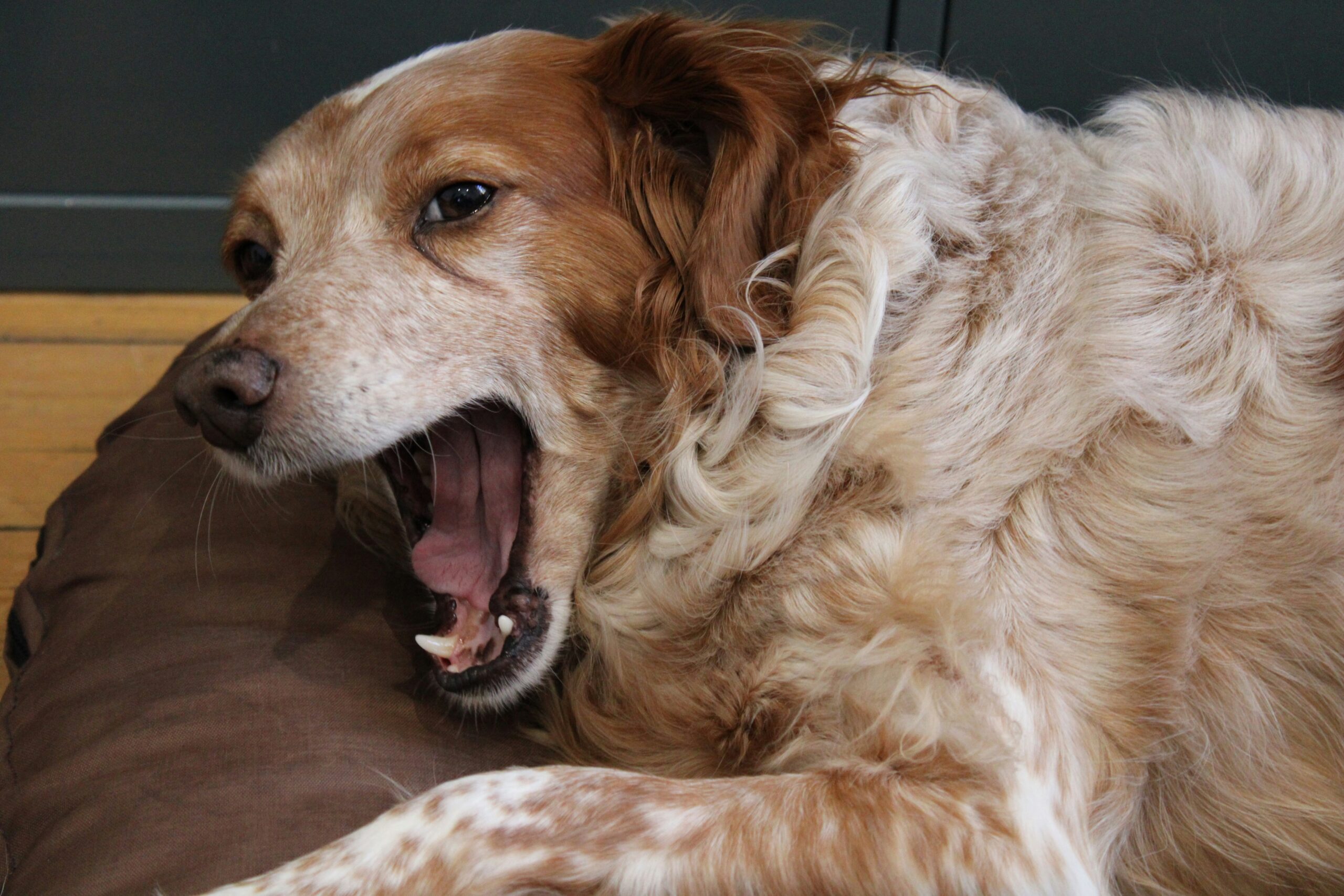
In an earlier article, we discussed canine influenza, one of several contagious respiratory illnesses that can affect dogs and, in some cases, cats. Another condition pet owners should be equally aware of is Kennel Cough, a highly contagious respiratory disease that can leave dogs feeling miserable if not properly managed.
Kennel Cough—clinically known as Infectious Canine Tracheobronchitis—is a widespread illness that spreads easily through dog-to-dog interaction. Dogs that regularly visit groomers, boarding facilities, dog parks, training classes, or daycare environments face a higher risk of exposure, especially if they are not fully vaccinated.
Recognizing the Symptoms of Kennel Cough
One of the most noticeable signs of Kennel Cough is the distinctive cough it causes. Many owners describe it as a dry, forceful hacking sound, often compared to the honking of a goose. Dogs may also gag or retch as if something is stuck in their throat, even when nothing is present.
In addition to coughing, some dogs may show symptoms similar to other respiratory infections. These can include reduced appetite, low energy levels, and general lethargy. While some cases are mild, others can progress and require veterinary attention, particularly in puppies, senior dogs, or dogs with weakened immune systems.
How Kennel Cough Spreads
Kennel Cough is primarily transmitted through the air. When an infected dog coughs or sneezes, tiny droplets carrying the bacteria or virus become airborne. Nearby dogs can inhale these particles, leading to inflammation and irritation of the respiratory tract.
However, direct contact is not the only way the illness spreads. Just like canine influenza, Kennel Cough can also be passed along through contaminated surfaces. Shared toys, food bowls, water dishes, leashes, and even human hands can carry infectious particles. This means a dog does not need to interact face-to-face with a sick dog to become infected.
Diagnosis and Veterinary Care
Veterinarians often diagnose Kennel Cough based on a dog’s symptoms and recent exposure history. In many cases, the characteristic cough provides enough information to make a diagnosis. If symptoms appear severe or prolonged, your veterinarian may recommend additional testing—such as chest X-rays or bloodwork—to rule out complications like pneumonia or other underlying conditions.
What to Do If Your Dog Has Kennel Cough
If your dog is diagnosed with Kennel Cough, isolation is critical. Dogs should be kept away from other dogs for at least two weeks, or until all symptoms have completely resolved. This helps prevent the illness from spreading to other pets in the community.
Treatment varies depending on the severity of the case. Mild infections may resolve on their own with rest and supportive care, while more serious cases may require antibiotics, cough suppressants, or anti-inflammatory medications as prescribed by your veterinarian.
Preventing Kennel Cough Through Vaccination and Hygiene
The best defense against Kennel Cough is preventive vaccination. One of the most common vaccines used is the Bordetella bronchiseptica vaccine, often referred to simply as the Bordetella vaccine. This vaccine is typically administered annually and is commonly required for dogs that attend boarding facilities, grooming salons, or daycare programs.
While vaccination does not guarantee complete immunity, it significantly reduces the severity and duration of symptoms if a dog does become infected.
In addition to vaccination, maintaining a clean environment is essential. Regularly disinfect food bowls, toys, bedding, and commonly touched surfaces. Wash your hands after handling your dog or cleaning up after them, and clean footwear that has been exposed to yards or areas where dogs frequently gather.
Keeping Your Dog and Community Healthy
Kennel Cough is common, but with proper awareness, vaccination, and hygiene practices, it is also highly manageable. Being proactive helps protect not only your dog, but also the broader dog community. If you notice persistent coughing or changes in your dog’s behavior, contact your veterinarian promptly to ensure early treatment and a smooth recovery.
This post is brought to you by Rocky Mountain Pooper Scoopers. They proudly serve the Greater Salt Lake City area, including Sandy, West Jordan, and Taylorsville, offering dependable and affordable pet waste removal services. Call (385) 392-0791 today for your free estimate—weekly rates start at just $18.00. Visit their website at rockymountainpooperscoopers.com to read reviews and learn more.
Happy Tails!
