
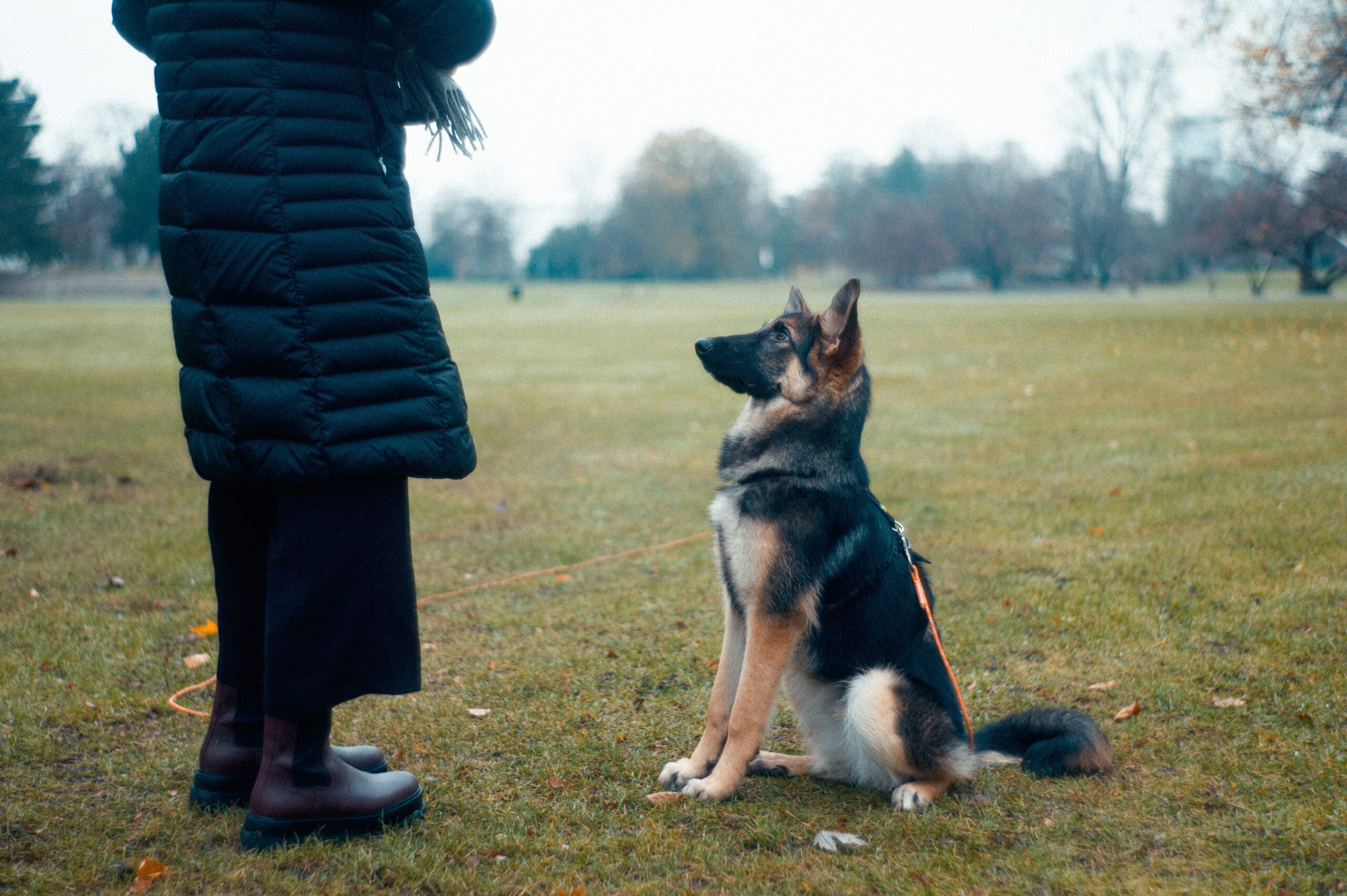
Whether you’re welcoming a brand-new puppy into your home or working to fine-tune your dog’s manners, training is one of the most important responsibilities of dog ownership. While structured training sessions are valuable, it’s just as important to recognize that learning happens constantly throughout the day. Every interaction you have with your dog—good or bad—reinforces behavior. Each time you respond to a jump, a bark, or a calm moment, you are teaching your dog something. Becoming more mindful of this everyday, often unintentional training can dramatically improve your dog’s behavior over time. Below are practical, effective strategies to help you raise a calm, responsive, and well-mannered dog.
Encouraging Calm Behavior in a Restless Dog
Does your dog spring to his feet every time you move? Does he struggle to settle down and relax, even when nothing exciting is happening? While some breeds naturally have higher energy levels, restlessness can often be addressed through intentional training that rewards calm behavior.
Positive reinforcement is one of the most powerful training tools available. Keep a few small treats in a place that’s easy to reach during the day. As you move around your home, casually walk past your dog. If he jumps up or follows you, do not engage with him or offer a reward. Simply put the treat away and continue on. Repeat this several times throughout the day.
Eventually, your dog will realize that jumping doesn’t earn attention or rewards. The moment he stays lying down or remains calm as you pass by, quietly place a treat between his paws and walk away without excitement or verbal praise. This teaches him that calm, relaxed behavior is what earns rewards. Over time, this simple exercise helps reinforce emotional balance and encourages your dog to relax more naturally throughout the day.
Teaching a Reliable “Sit” Command
The “sit” command is one of the most basic—and most useful—skills your dog can learn. Rather than repeating the command over and over or physically guiding your dog into position, you can use unconscious training techniques that naturally encourage the behavior.
Keep a few training treats nearby during the day. When you want your dog to sit, hold a treat slightly above his nose and slowly move it upward and back toward his head. This motion naturally causes his rear to lower. Say “sit” once, clearly and calmly, and then wait. Avoid repeating the command.
If your dog doesn’t respond immediately, simply adjust the treat’s position slightly higher or farther back until he sits. The moment his bottom touches the floor, say “yes” or “good boy” and immediately reward him. Practicing this briefly but consistently throughout the day helps your dog learn to respond quickly and reliably to a single verbal cue.
Managing Excessive Barking
Barking is a natural behavior and, in some cases, even desirable—especially when it serves as an alert. However, nonstop barking can quickly become disruptive. The key to addressing barking is understanding its cause.
Pay attention to what triggers your dog’s barking. Is he bored, anxious, seeking attention, or responding to outside noises? If there’s no immediate need or threat, use a calm but firm cue such as “hush” or “quiet.” Avoid yelling, as raised voices can sometimes escalate barking rather than stop it.
Equally important is rewarding silence. When your dog pauses barking—even briefly—mark that moment with a “yes” or “good boy,” then offer a reward or the attention he was seeking. This teaches him that quiet behavior is what gets results. Over time, your dog will begin to associate calm responses with positive outcomes.
Successful House Training from Day One
Housebreaking is one of the first and most important lessons for any puppy, and consistency is the foundation of success. As soon as your puppy arrives home, establish a predictable routine. Feed her at the same times each day and pay attention to how long it takes for her to need a bathroom break after eating.
Using positive reinforcement makes potty training much more effective. Keep small treats handy and take your puppy to the same designated potty area each time. Use a consistent command such as “potty” or “outside” as you lead her there. While she’s doing her business, calmly praise her and repeat the command along with her name.
The moment she finishes, reward her immediately with a treat and enthusiastic praise. If she doesn’t go right away, bring her back inside and try again after a few minutes. Avoid punishment for accidents—positive reinforcement builds trust and helps your puppy learn faster. With patience and consistency, house training becomes a smooth and successful process.
Training isn’t limited to formal lessons—it’s woven into every interaction you have with your dog. By becoming aware of how your daily responses shape behavior, you can guide your dog toward calmness, obedience, and good habits. With consistency, patience, and positive reinforcement, you’ll build a stronger bond and enjoy life with a well-behaved canine companion.
Once you have your puppy potty trained, keep his outdoor space clean. Rocky Pooper Scoopers Dog Waste Clean-up Service makes life easier for dog owners, with complete cleanup and removal of all dog poop from yards, kennels and dog runs, because you have better things to do with your time! Starting at just $18 a week! Call us at (385) 392-0791 or visit our website or Facebook page for more information.
