
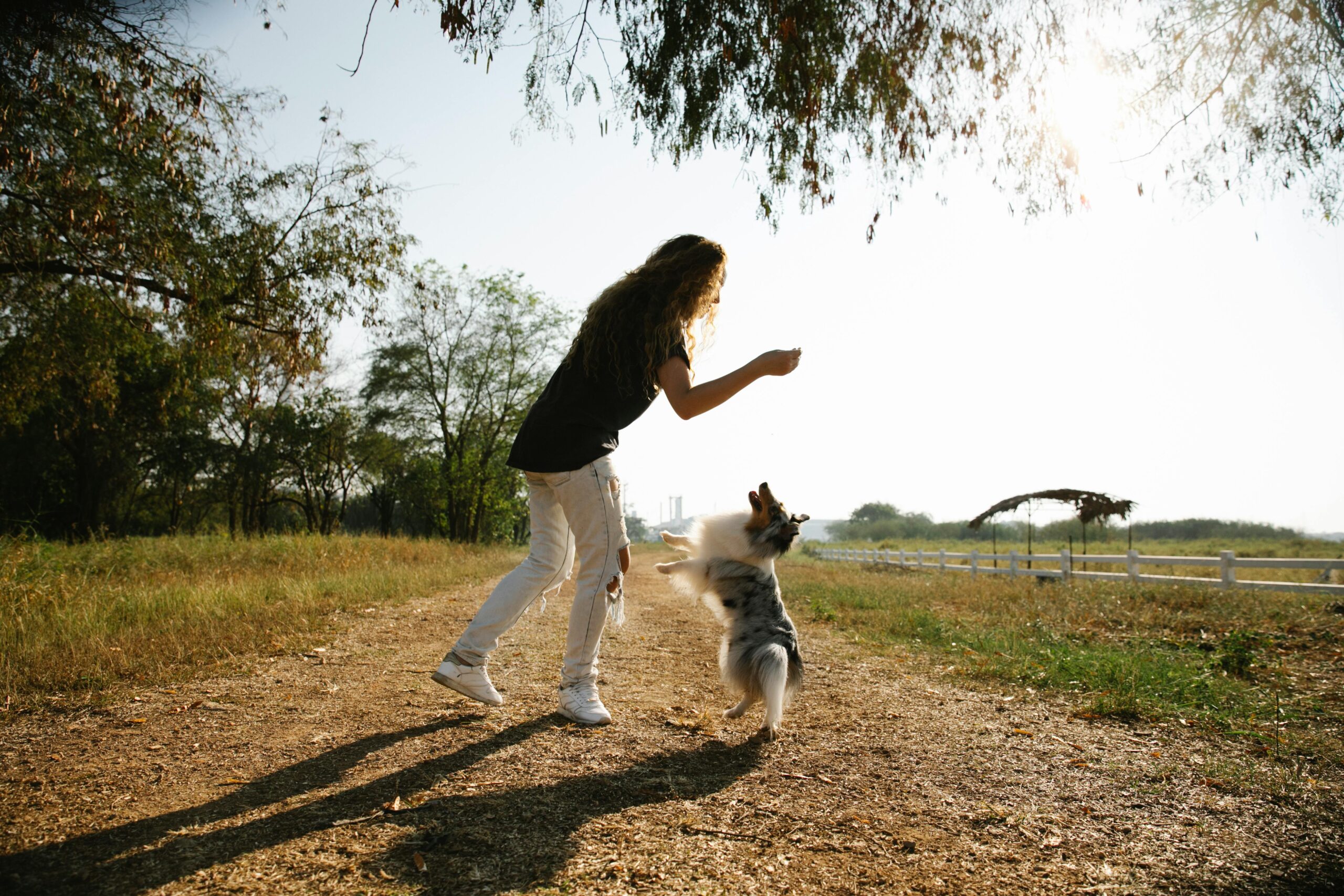
Talking to your dog may feel one-sided at times, but if you pay close attention, you’ll quickly realize just how closely your dog is listening. Say a few words they love—like “car ride,” “walk,” or “treat”—and watch their ears perk up, eyes widen, and tail start to move. Dogs are far more perceptive and emotionally aware than many people realize. In fact, modern research shows that the bond between dogs and humans is deeper and more neurologically complex than previously believed.
Scientists have spent years studying canine cognition, and what they’ve discovered confirms what dog owners have always suspected: dogs are highly attuned to us, especially when it comes to recognizing faces, emotions, and social cues.
Dogs and Facial Recognition
One fascinating study conducted in Helsinki, Finland, in 2013 set out to determine whether dogs could visually recognize their owners’ faces. Researchers observed the eye movements of 31 dogs while images were displayed on a screen. These images included both humans and dogs—some familiar to the subjects and others completely unknown.
By tracking where and how long the dogs focused their gaze, researchers found a clear pattern. Dogs consistently spent more time looking at faces they recognized, particularly the faces of their human caregivers. This demonstrated that dogs are not only capable of facial recognition, but that familiar human faces hold special significance for them.
Interestingly, the results differed when images of other dogs were shown. Regardless of whether the dog on the screen was familiar or unfamiliar, the dogs in the study focused equally on canine faces. This suggests that dogs process human faces differently than they process the faces of other dogs, giving added weight to the unique bond between humans and their pets.
What Happens Inside a Dog’s Brain
Additional insight came from a groundbreaking study conducted in 2016 that explored what happens inside a dog’s brain when they see human faces. In this study, five Border Collies, one Labrador Retriever, and one Golden Retriever participated in brain imaging using functional magnetic resonance imaging (fMRI).
An fMRI scanner measures brain activity by detecting changes in blood flow, allowing researchers to observe which areas of the brain are activated in response to specific stimuli. To ensure accurate results, all seven dogs were carefully trained to remain calm and still inside the scanner. They learned to lie comfortably in a relaxed “Sphinx” position with their chin resting on a support—no restraints or sedation required.
Once settled, the dogs were shown a series of images that included 50 different human faces and 50 everyday objects. As researchers monitored changes in brain activity, a clear distinction emerged. When dogs viewed pictures of people, specific regions of the temporal lobe became active. This area of the brain is closely linked to facial recognition and perception.
Even more compelling was the discovery that parts of the brain associated with emotion and reward lit up when dogs saw human faces—but not when they looked at objects. This suggests that dogs don’t just recognize us visually; they experience positive emotional responses when they see us.
What These Findings Tell Us
1. Dogs’ Brains Share Similarities with Ours
The area of the brain dogs use for facial recognition—the temporal lobe—is the same region humans rely on for identifying faces. This similarity is also seen in certain other animals, such as macaque monkeys and sheep. These shared neurological traits help explain why dogs are so adept at interpreting human expressions and social cues.
2. Dogs Are Deeply Social and Emotionally Connected
Dogs have evolved alongside humans in ways no other animal has. They are the only members of the canine family capable of recognizing individual humans without specialized training. Dogs can tell when we’re smiling, frowning, stressed, or relaxed. They instinctively pick up on emotional changes in our faces and voices, strengthening the bond we share.
While some animals can distinguish between people with extensive training, dogs do this naturally. Even primates—often thought to be highly intelligent—struggle with consistent facial differentiation in ways dogs do not.
3. Dogs Read Human Cues Exceptionally Well
Studies also show that dogs are highly responsive to eye contact and body language. They are more likely to approach people who engage them visually and appear welcoming. Dogs tend to seek food, affection, and interaction from individuals who make eye contact and display open, friendly posture.
In many cases, dogs outperform even chimpanzees when it comes to interpreting human gestures and facial cues. This remarkable skill likely developed over thousands of years of close companionship with people.
4. What This Means for Training
Understanding how dogs perceive and process human faces opens the door to more compassionate and effective training methods. Dogs are not simply responding to commands—they are reading our expressions, tone, and emotional state.
This means training does not need to rely on fear, dominance, or intimidation. Positive reinforcement, patience, and consistency align far better with how dogs naturally learn and connect. When training is based on trust and communication, dogs are more engaged, confident, and eager to learn.
A Deeper Bond Than We Once Imagined
Dogs are intelligent, emotionally sensitive beings who are deeply focused on their human companions. Their ability to recognize our faces, respond to our emotions, and form meaningful bonds is rooted in both evolution and brain structure.
As dog owners, it’s our responsibility to honor that connection. By treating our dogs with respect, empathy, and kindness—especially during training—we strengthen a relationship built on trust rather than control. The science is clear: dogs aren’t just listening to us. They’re watching us, understanding us, and connecting with us in ways that are truly extraordinary.
This post has been brought to you by Rocky Mountain Pooper Scoopers. Rocky Mountain is the leading pet waste removal service in the Greater Salt Lake City area, including Sandy, West Jordan, and Taylorsville. Give them a call today at (385) 392-0791 for a free quote. Weekly rates start at just $18.00. Visit their website at rockymountainpooperscoopers.com for customer reviews and additional information.
Happy Tails!
