
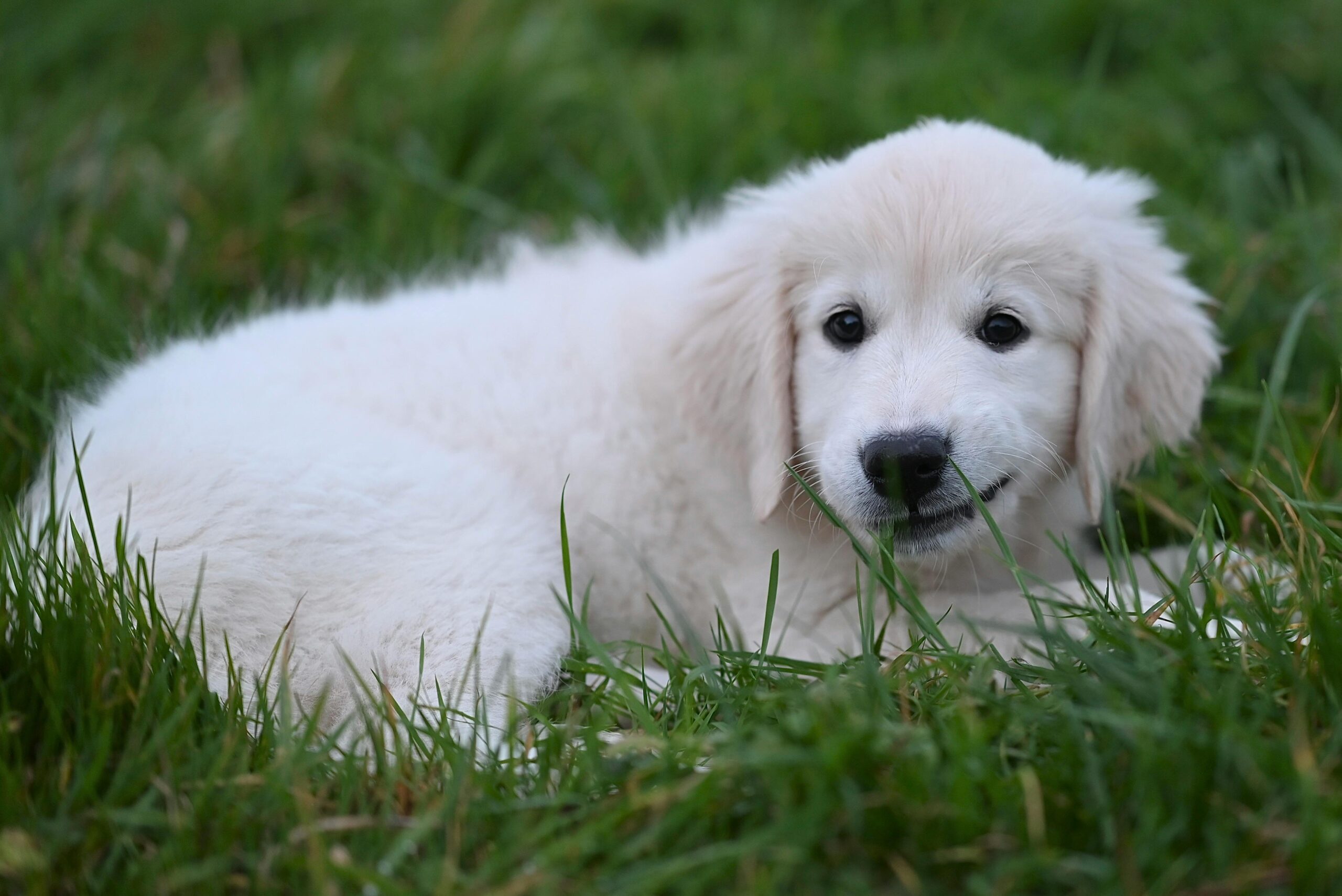
Bringing a puppy home is a joyful milestone filled with excitement, anticipation, and a fair amount of nervous energy. At the same time, it can feel overwhelming. Much like a newborn child, your new puppy relies on you entirely for safety, guidance, and reassurance. Everything around him is unfamiliar—the sounds, smells, people, and routines—so it’s completely normal for him to feel unsure during those first few days. With the right preparation and a calm, structured approach, you can help your puppy feel secure and set the foundation for a confident, well-adjusted companion. This guide walks you through exactly what you need and how to make those first days and nights as smooth as possible.
New Puppy Checklist: What to Have Ready Before Bringing Your Puppy Home
Before your puppy ever steps paw into his new environment, having the essentials prepared will make the transition far easier for both of you. Being organized allows you to focus on bonding rather than scrambling for supplies.
Here’s a comprehensive checklist to help you get started:
-
Collar
-
ID tag with current contact information
-
Leash
-
Crate (appropriately sized for a puppy)
-
High-quality puppy food
-
Food and water bowls
-
Comfortable dog bed
-
Training treats
-
Safe chew toys and durable bones (avoid rawhide)
-
Puppy training pads
-
Stain and odor remover
-
Puppy-safe shampoo
-
Ear cleaning solution
-
Grooming brush
-
Nail clippers
Having these items ready ahead of time ensures your puppy’s basic needs are met from day one and helps establish consistency early on.
How to Make Your Puppy’s First Night a Success
Once you’ve gathered all your puppy supplies, the next step is preparing his space. Creating a designated area where your puppy feels safe and comfortable is essential, especially during the first few nights away from his mother and littermates.
Set Up the Crate the Right Way
Crate training is one of the most effective tools for house training and helping your puppy adjust to his new home. Puppies naturally seek out small, den-like spaces where they feel protected, so choosing the right crate size is important. It should be large enough for your puppy to stand, turn around, and lie down comfortably—but not so large that one corner can be used as a bathroom.
Line the crate with a soft bed and a lightweight blanket to make it cozy. Place the crate near your bed for the first few weeks so your puppy can sense your presence. Being close to you provides reassurance and makes nighttime potty trips easier.
Stick to a Consistent Bedtime Routine
As tempting as it may be to let your puppy sleep in bed with you, it’s best to establish boundaries from the start. Consistency helps your puppy learn expectations quickly. Encourage him to sleep in his crate and offer a plush toy or comfort item to snuggle with instead.
If your puppy cries during the night, remain calm. Take him outside on a leash to his designated potty area, allow him to relieve himself, and then return him directly to the crate. Avoid playtime or stimulation during these trips so he learns that nighttime outings are strictly for potty breaks. Repeating this routine consistently for the first few weeks will help him settle more easily and return to sleep faster.
Keeping the First Few Days Calm and Positive
Your puppy’s first night is just the beginning. The initial days in his new home should be quiet, relaxed, and free from overwhelming activity. Limit visitors and give your puppy time to explore his surroundings at his own pace.
Start Teaching His Name Immediately
One of the first things you should begin teaching your puppy is his name. Use it frequently in a positive, encouraging tone and pair it with praise, treats, and affection. Avoid using his name when correcting behavior so he always associates it with good experiences.
Begin Potty Training Right Away
As soon as you arrive home, take your puppy outside on a leash to the potty area you’ve chosen. Use a consistent verbal cue such as “go potty” or “get busy,” and repeat it each time you take him out. If he doesn’t relieve himself within about 10–15 minutes, bring him back inside and try again later.
When he does go, reward him immediately with enthusiastic praise and treats while repeating his name. This helps him connect the behavior with a positive outcome and accelerates the house-training process.
Patience, Consistency, and Long-Term Success
The first few weeks with a new puppy require time, patience, and consistency. There may be accidents, sleepless nights, and moments of frustration—but these are all part of the learning process. Staying calm and sticking to a routine will pay off in the long run.
With steady guidance and positive reinforcement, your puppy will grow into a well-mannered, affectionate, and confident member of your family. The bond you build during these early days sets the tone for years of companionship, trust, and joy.
Keeping Your Yard Clean as Your Puppy Grows
Welcoming a new puppy also means welcoming pet waste into your yard. Maintaining a clean outdoor space is important for your puppy’s health and your family’s comfort. Regular yard clean-up helps prevent odors, bacteria, and unwanted messes from building up.
That’s where Rocky Mountain Pooper Scoopers comes in. Our professional dog waste clean-up service keeps your yard clean, safe, and family-friendly with complete removal of dog poop from yards, kennels, and dog runs—so you can focus on enjoying life with your new puppy instead of worrying about cleanup. Services start at just $18 per week.
Call (385) 392-0791 or visit our website or Facebook page to learn more. Enjoy a cleaner, safer, pet waste–free yard all year long while you focus on raising your newest furry family member.
