
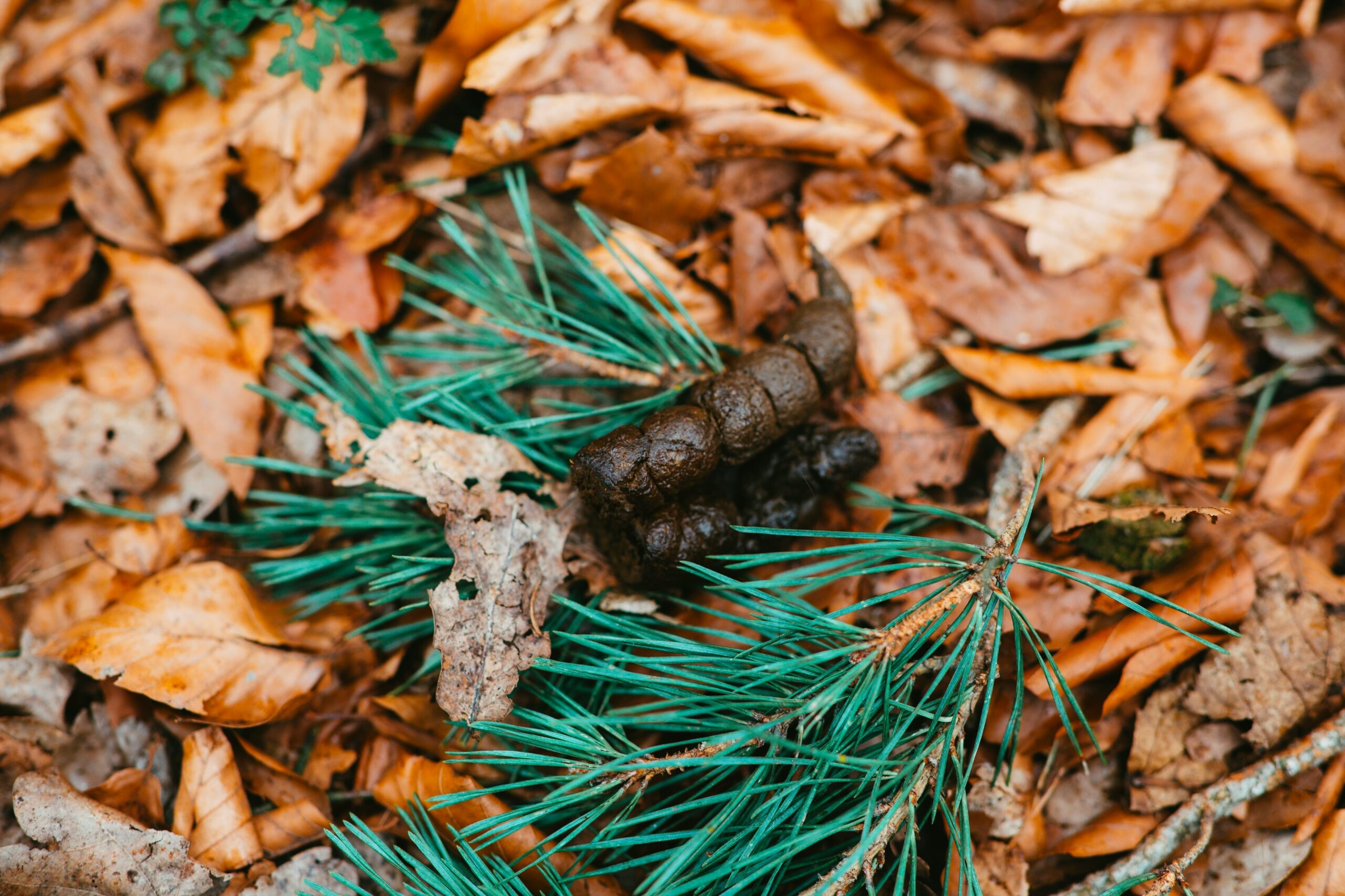
Dog waste is more than an unpleasant nuisance—it is a serious environmental concern. In 1991, the Environmental Protection Agency (EPA) officially classified pet waste as a non-point source pollutant, placing it alongside substances such as pesticides, motor oil, chemical runoff, and acid drainage from abandoned mines. While picking up after your dog may not be the most enjoyable responsibility of pet ownership, routine cleanup plays a critical role in protecting public health, local ecosystems, and your family’s outdoor environment here in Utah.
Leaving pet waste behind allows harmful bacteria and contaminants to build up over time. Consistent removal is essential for maintaining clean yards, safe neighborhoods, and healthy waterways.
Why Dog Waste Is Not Fertilizer
Despite a common misconception, dog waste does not act as a natural fertilizer. In fact, it can damage lawns by burning grass and leaving behind brown, patchy areas. Unlike manure from herbivores, dog feces contain high levels of protein and bacteria that soil and turf cannot safely absorb.
Even more concerning is the bacterial content. Research indicates that just one gram of dog waste may contain up to 29 million fecal coliform bacteria. Exposure to these bacteria can lead to gastrointestinal illness, severe kidney complications, abdominal cramps, and diarrhea in humans. According to EPA estimates, the accumulation of waste from roughly 100 dogs over just two or three days could introduce enough bacteria to temporarily close nearby bodies of water—and surrounding watershed areas within approximately 25 miles—to swimming and shellfish harvesting.
Dog feces are also known carriers of numerous harmful diseases, including:
-
Whipworms
-
Hookworms
-
Roundworms
-
Tapeworms
-
Parvovirus
-
Coronavirus
-
Giardiasis
-
Salmonellosis
-
Cryptosporidiosis
-
Campylobacteriosis
Parasites That Can Affect Humans
Yes—many of the parasites found in dog waste can infect humans. Hookworms, tapeworms, threadworms, and campylobacteriosis are all transmissible under the right conditions. This is one of the primary reasons health professionals discourage allowing dogs—especially puppies—to lick faces or mouths, commonly referred to as “puppy kisses.”
If a dog has recently come into contact with feces or groomed its hindquarters, harmful organisms may be transferred directly to people. Children are especially vulnerable because they often play in soil where parasite larvae can remain dormant. Young children are also more likely to put unwashed hands, toys, or fingers into their mouths, increasing the risk of ingesting infectious material.
Preventing Disease and Water Contamination
Improperly managed pet waste can severely impact Utah’s water systems. When dog feces are left on the ground, rain and irrigation gradually break them down, allowing bacteria and pathogens to seep into nearby soil and eventually enter storm drains, streams, ponds, rivers, and even drinking water supplies. Yards that retain standing water for extended periods may experience even higher levels of contamination.
To reduce the risk of illness and environmental damage, dog waste should be removed every 1 to 7 days, depending on the size and number of dogs in the household. Larger dogs produce more waste and require more frequent cleanup, as do homes with multiple dogs. For example, a household with one small dog will have a far smaller environmental footprint than a family caring for two large-breed dogs such as Great Danes.
Responsible Cleanup Protects Everyone
Regular dog waste removal is one of the simplest and most effective ways to protect your yard, your family, your neighbors, and Utah’s natural resources. By staying consistent, you help prevent the spread of disease, safeguard local water quality, and maintain a cleaner, healthier outdoor space for everyone to enjoy.
Proper cleanup isn’t just good pet ownership—it’s an environmental responsibility.
If you are too busy to clean up after your dog, or the thought of it just makes you gag, there are many services available today, such as Rocky Mountain Pooper Scoopers, that will gladly do the dirty work for you in Greater Salt Lake City area, including Sandy, West Jordan, and Taylorsville. Call (385) 392-0791 today for your free estimate—weekly rates start at just $18.00. Visit their website at rockymountainpooperscoopers.com to read reviews and learn more.
Happy Tails!
