
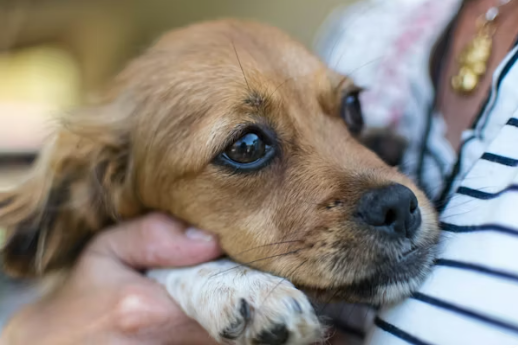
Summertime often brings backyard barbecues, family gatherings, fireworks displays, and sudden seasonal storms. While these events may be exciting or mildly inconvenient for people, they can be deeply unsettling for dogs. Loud booms, flashing lights, and rolling thunder can trigger intense fear and stress in canine companions. It can be difficult and emotional to watch a dog who is usually relaxed become restless, tremble, pant heavily, or pace the house searching for somewhere to escape the noise.
Dogs frequently sense storms and fireworks before humans do. Their hearing is far more sensitive, allowing them to detect distant thunder or fireworks long before the sound reaches us. They are also more aware of shifts in barometric pressure that signal an approaching storm. Veterinarians commonly refer to this response as noise phobia or storm anxiety, and it affects dogs of all breeds and ages. Just as parents try to comfort children who are frightened by loud noises, pet owners naturally want to do everything possible to help their dogs feel safe and calm. The following strategies can help reduce anxiety and support your dog during thunderstorms and fireworks season.
Provide a Safe Place
Observe where your dog instinctively goes when loud noises begin. This spot is often the place where she feels the most protected. Many dogs seek out enclosed or den-like spaces, such as a bathroom, a closet, under a bed, or a quiet corner of the house. These small areas can help dampen sound and provide a sense of security. Make sure your dog always has access to this preferred location during storms or fireworks.
Enhance the space by adding a soft bed, blanket, or favorite toy to increase comfort. Running a fan, playing calming music, or turning on a radio nearby can help mask sudden noises from outside. Some dogs respond well to consistent background sounds that soften the sharp cracks of thunder or fireworks.
If your dog is crate trained and views her crate as a safe retreat, allow her to use it during noisy events. Keep the door open so she can enter and leave freely. The goal is to give her a sense of control, not confinement. Offering treats or a special chew in this area can help create a positive association. Keep in mind that not all dogs want to hide. Some feel better pacing or moving around, and forcing them into a confined space can actually heighten their fear.
Create a Positive Distraction
Distraction can be helpful, especially if started early—before your dog becomes overwhelmed. If fireworks are scheduled or a storm is predicted, prepare in advance. Turn on the television, a white noise machine, or music at a moderate volume to provide consistent sound. Many dogs respond well to calm, rhythmic music.
Engage your dog in an activity she enjoys as soon as she begins to show awareness of the noise but before panic sets in. This could be a short game of fetch, practicing obedience commands, or working on simple tricks using treats as rewards. Positive interaction can help shift her focus away from the sounds outside.
Pay close attention to her reactions. If the noise intensifies and she stops responding to play or treats, it is best to stop the activity. Continuing when she is already frightened may increase stress rather than reduce it. The goal is to offer gentle distraction, not force engagement.
Don’t Punish Her
Never discipline a dog for fearful behavior. Anxiety-driven actions such as trembling, hiding, barking, or pacing are not acts of disobedience. Punishment can worsen fear, damage trust, and may even provoke defensive aggression. Forcing your dog to confront loud noises or restricting her movement can escalate anxiety and make future episodes more severe.
Instead, allow your dog to choose where she feels most comfortable. Calm behavior can be acknowledged with gentle praise or treats, but fearful behavior should never be corrected. Your dog does not understand why she is scared, and punishment will only increase confusion and stress. Your calm presence and patience are far more effective than discipline.
Consult Your Vet
If your dog’s anxiety is severe or these strategies do not provide enough relief, it is important to speak with your veterinarian. Persistent stress can negatively impact your dog’s overall health. A vet may recommend temporary medication to help manage anxiety during fireworks or storms.
In addition to medication, your veterinarian may suggest tools such as a Thundershirt or similar anxiety wraps. These garments apply gentle, constant pressure that can have a calming effect, similar to swaddling an infant. Another option sometimes recommended is a storm or static-reducing cape designed to minimize the discomfort some dogs experience during thunderstorms.
Every dog is different, so it is best to review all options with your vet to determine the most appropriate approach for your pet’s personality, health, and level of anxiety.
Helping your dog cope with thunderstorms and fireworks requires patience, preparation, and understanding. By offering a secure environment, gentle distractions, reassurance, and professional guidance when needed, you can make these stressful events more manageable. With the right support, your dog can feel safer and more at ease—even during the loudest summer nights.
At Rocky Mountain Pooper Scoopers, we care as much about your pet’s health as you do. Contact us today to keep your pet’s outdoor environment clean and safe. Rocky Mountain Pooper Scoopers Dog Waste Clean-up Service makes life easier for dog owners, with complete cleanup and removal of all dog poop from yards, kennels and dog runs, because you have better things to do with your time! Starting at just $18 a week! We serve the Greater Salt Lake City area, including Sandy, West Jordan, and Taylorsville. Call us at (385) 392-0791 or visit our website or Facebook page for more information. Enjoy a clean, safe, pet waste free yard year round.
