
We love our dogs deeply and treat them as cherished members of our families. That bond is what makes watching them grow older—and eventually facing their passing—so incredibly difficult. While this is never an easy subject to think about, it is something every dog owner should understand and prepare for when choosing to love and care for a dog.
In this post, we’ll cover what steps to take after your dog has passed away. We’ll also discuss what to do if you come across a deceased dog near your home or on the roadway, as well as how to handle situations when your dog passes at home or must be humanely euthanized by a veterinarian.
Burial
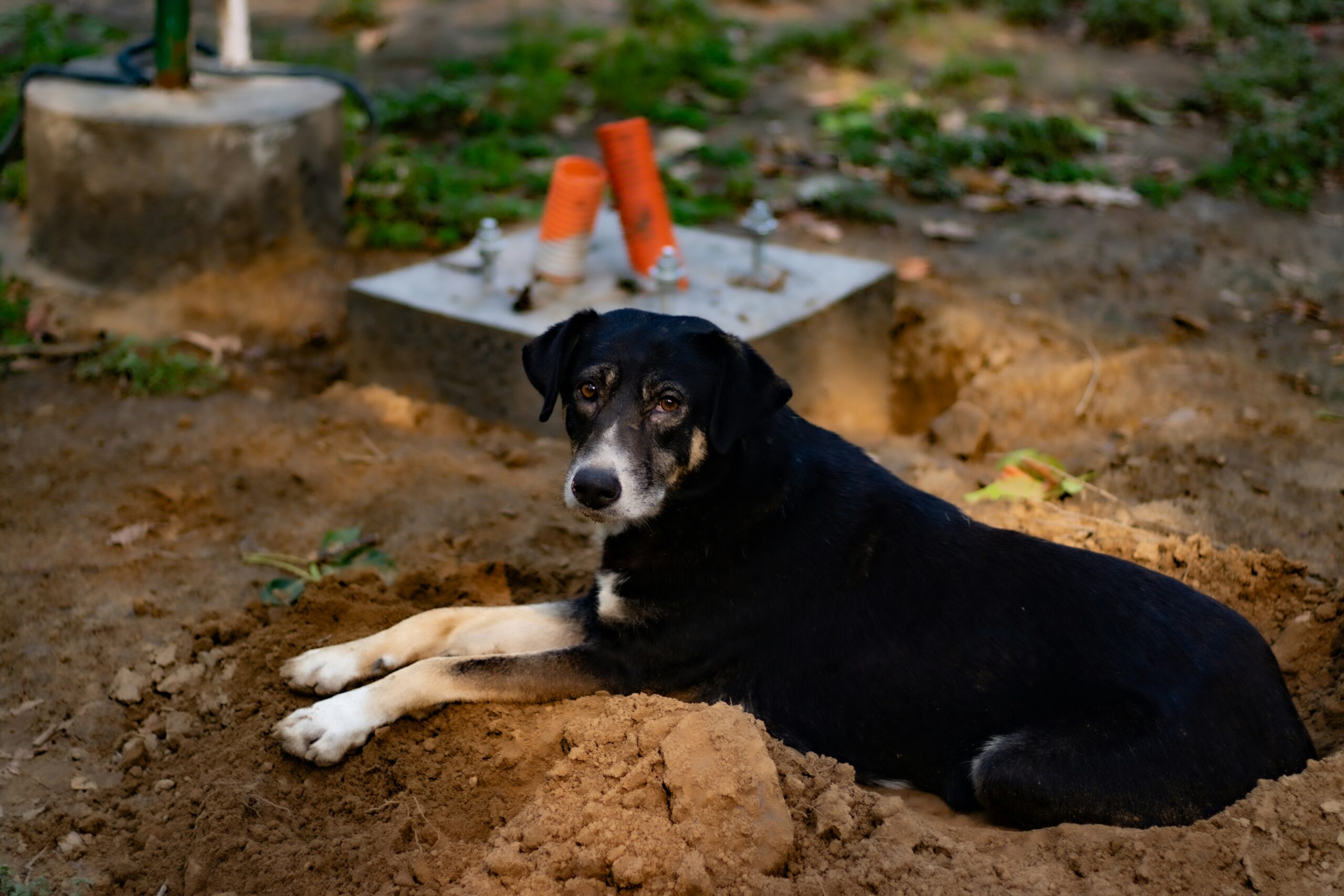
Some pet owners choose to bury their dog on their own property. If you decide to do this, you may wish to place your dog in a box or simple coffin before burial. Others prefer a more straightforward approach and place their dog directly into the ground. If you choose home burial, it’s recommended that the grave be dug at least two feet deep to help prevent scavenging animals from disturbing the site.
Taking a moment to hold a small ceremony can provide emotional closure and honor the years of loyalty and companionship your dog gave you. Even a quiet goodbye can be meaningful.
Before burying your dog at home, it’s important to be aware that some states and municipalities regulate or prohibit pet burial. Always check local Utah regulations and contact your utility company before digging to avoid damaging gas lines, water pipes, or other underground services. Burial sites should also be located well away from any water sources.
If home burial isn’t an option due to regulations or personal preference, pet cemeteries offer an alternative. Pet cemeteries provide both private and communal plots, along with memorial services if desired. In areas such as Salt Lake City, Provo, and surrounding Utah communities, there are several pet memorial services available to help families say goodbye with dignity.
Incineration
Cremation is another option many families consider. While private incinerators are uncommon, cremation services are frequently used by veterinarians and animal control agencies. If your dog is euthanized at a veterinary clinic, you can request cremation as part of the aftercare process.
Cremation may be private or communal, depending on your preference. With private cremation, your dog’s ashes can be returned to you in an urn or memorial container, allowing you to keep a physical reminder of your pet’s life and companionship.
Animal Control Services
If you discover a deceased dog on a road or near your home, contacting local animal control services is often the most appropriate step. If the dog has a microchip, animal control may be able to identify and notify the owner, which can bring closure to a grieving family.
If you encounter a deceased dog, avoid touching the body with bare hands. The cause of death may be unknown, and there could be risks of bacteria or disease. Wearing gloves is strongly recommended. For your own pet, however, animal control is typically not the preferred option, and one of the other methods discussed here is usually more appropriate.
Throwing a Pet Away
Discarding a dog’s body is not a method we recommend. It is neither respectful nor humane, and our dogs deserve thoughtful afterlife care that reflects the love and loyalty they gave us during their lives. Choosing a compassionate option helps honor the bond you shared and provides peace of mind during an already painful time.
This post has been brought to you by Rocky Mountain Pooper Scoopers. Rocky Mountain is the leading pet waste removal service in the Greater Salt Lake City area, including Sandy, West Jordan, and Taylorsville. Give them a call today at (385) 392-0791 for a free quote. Weekly rates start at just $18.00. Visit their website at rockymountainpooperscoopers.com for customer reviews and additional information.
Happy Tails!
