
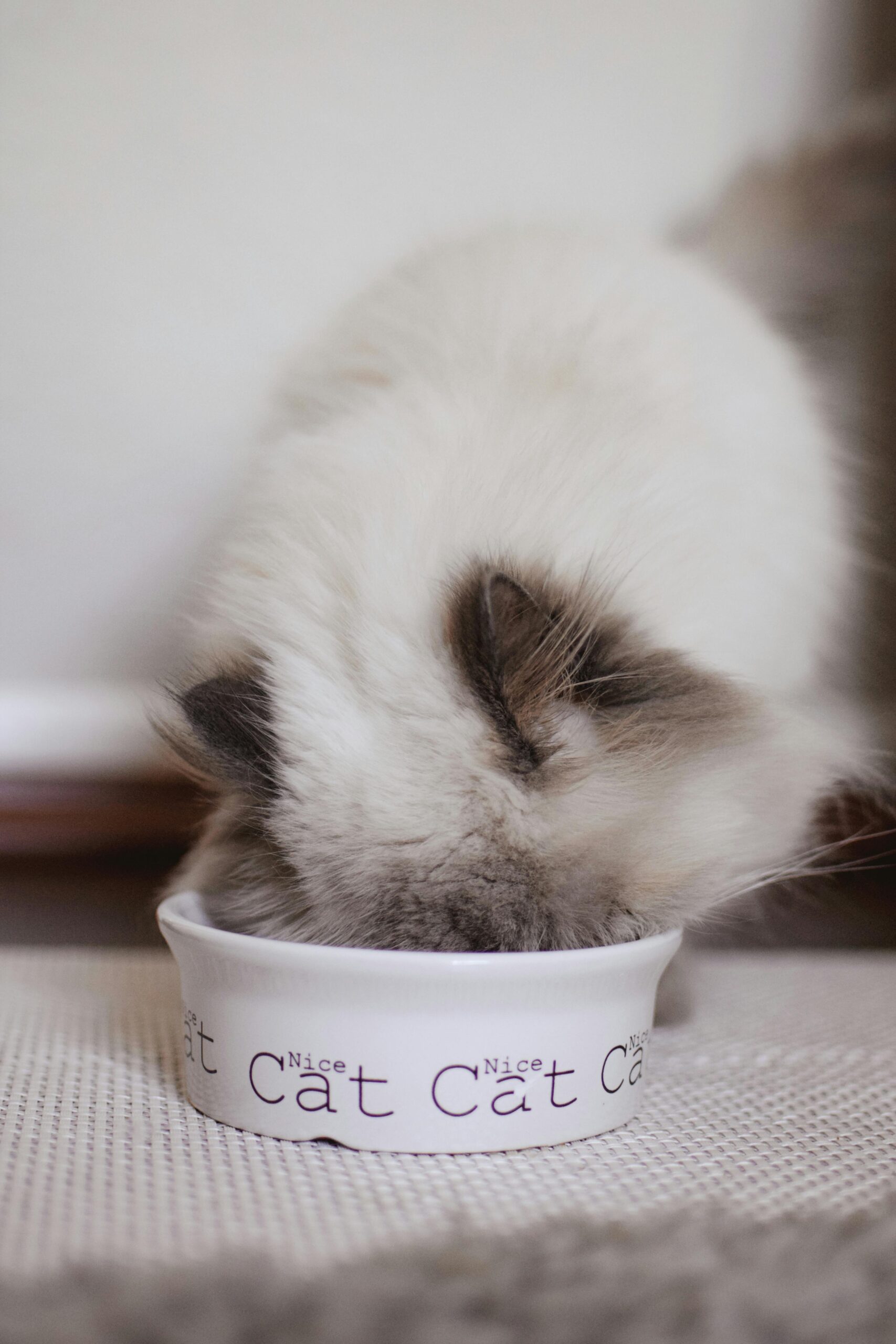
On this blog, we often focus on dogs—covering topics like dog safety, dog poop, and other canine-related concerns. Today, however, the spotlight is on cats. While many people are aware that certain foods can be harmful or even fatal to dogs, cats are just as vulnerable—sometimes even more so. Foods that are perfectly safe for humans can be extremely dangerous for cats. In some cases, these foods may cause mild digestive upset such as vomiting, diarrhea, or loss of appetite; in others, they can lead to serious illness or death. Below is a list of foods your cat should never eat.
ALCOHOL
Cats, like people, can ingest alcohol, but their bodies are unable to process it safely. Even a very small amount can have devastating effects. Alcohol consumption in cats can rapidly cause liver and brain damage. As little as one tablespoon of alcohol can place an adult cat into a coma, and larger amounts can be fatal. Alcohol should never be accessible to cats under any circumstances.
CHOCOLATE
Chocolate is highly toxic to cats due to a compound called theobromine. This substance is present in all chocolate but is especially concentrated in dark chocolate and unsweetened baking chocolate. If a cat consumes chocolate, symptoms may include muscle tremors, irregular heart rhythms, or seizures. If you believe your cat has eaten chocolate, contact your veterinarian immediately, as prompt treatment is critical.
COFFEE, TEA, AND ENERGY DRINKS
Beverages that contain caffeine can seriously affect a cat’s nervous system. Exposure to caffeine may cause restlessness, agitation, rapid breathing, tremors, or abnormal heart rhythms. Even small amounts can be harmful, so coffee, tea, and energy drinks should always be kept out of reach.
DAIRY PRODUCTS
While the image of cats drinking milk is common, most cats are lactose intolerant—especially as adults. Consuming milk or other dairy products can result in gastrointestinal upset, including diarrhea and vomiting. Dairy products are best avoided unless specifically recommended by a veterinarian.
FATTY FOODS, RAW MEAT, FISH, AND EGGS
Raw foods may contain harmful bacteria such as Salmonella or E. coli, which can lead to serious digestive issues in cats. Feeding raw meat, fish, or eggs without veterinary guidance is not recommended. High-fat foods can also be dangerous, as excessive fat intake may trigger pancreatitis. A high-quality commercial cat food provides balanced nutrition and is the safest option unless otherwise directed by a veterinarian.
GRAPES AND RAISINS
Cats are generally less interested in grapes and raisins, but these foods are known to cause kidney failure in dogs. To eliminate any risk of illness, it’s best to keep grapes and raisins away from cats as well.
ONIONS AND GARLIC
Small amounts of garlic are unlikely to cause harm, but larger quantities of garlic or onions can upset a cat’s stomach. Regular exposure to onions, in particular, may lead to anemia over time. These ingredients should not be included in your cat’s diet.
TUNA
Tuna formulated specifically for cat food is safe when fed appropriately. However, canned tuna intended for human consumption is different. Regularly feeding human-grade canned tuna can lead to steatitis, a painful condition caused by inflammation of body fat. Tuna should only be offered in forms designed for cats and in moderation.
XYLITOL
Xylitol is an artificial sweetener commonly found in sugar-free gum and other products. While there are no confirmed reports of cats becoming ill from xylitol ingestion, it is extremely dangerous for dogs, causing severe drops in blood sugar and potential liver failure. Because of its toxicity in pets, xylitol-containing products should be kept away from cats as a precaution.
If you suspect your cat has eaten any of the foods listed above, contact your veterinarian immediately. The faster treatment begins, the better the chances of preventing serious complications. In some cases, small amounts may not cause harm, but larger quantities can place your cat at significant risk. If you’re unable to reach your regular veterinarian, seek care from the nearest emergency veterinary clinic right away.
Cats thrive best on a diet made up primarily of high-quality cat food. Treats can be offered occasionally, but moderation is key. The simplest way to prevent food-related illness is to avoid offering unsafe foods altogether. When it comes to feeding your cat, a good rule of thumb is this: if it’s not made for cats, don’t put it in their bowl.
This post has been brought to you by Rocky Mountain Pooper Scoopers. Rocky Mountain is the leading pet waste removal service in the Greater Salt Lake City area, including Sandy, West Jordan, and Taylorsville. Give them a call today at (385) 392-0791 for a free quote. Weekly rates start at just $18.00. Visit their website at rockymountainpooperscoopers.com for customer reviews and additional information.
Happy Tails!
