
PROVO, UT — You walk through the front door after a long day at work only to discover another casualty of boredom: chewed shoes, damaged furniture, or shredded pillows. Your dog seems anxious and restless, gnawing on anything within reach. Unable to explain what’s wrong, your dog leaves you guessing. A call to the veterinarian brings reassurance—your dog isn’t physically ill. Instead, the issue is emotional. Your dog is lonely, and possibly experiencing depression.
Recognizing the Signs of Dog Depression
Destructive chewing is often one of the first red flags, but it isn’t the only sign. Other behaviors commonly linked to canine depression include:
-
Accidents inside the house
-
Excessive hiding or withdrawal
-
Howling or vocalizing more than usual
-
Excessive grooming or complete neglect of grooming
-
Changes in appetite or energy levels
Depression in dogs—especially in single-dog households—is more common than many owners realize. Dogs are naturally social animals. They evolved to live and travel in groups, relying on companionship for emotional security. When a dog spends most of the day alone, that lack of interaction can lead to stress, boredom, and sadness. Fortunately, there are effective ways to help your dog regain emotional balance.
Adding a Second Dog: A Possible Solution
One option that works well for many families is introducing another dog into the household. According to the Humane Society, roughly 40% of households in the United States own more than one dog, and about 28% have two dogs. If you’ve ever thought about expanding your pack, your dog’s emotional well-being may be a good reason to consider it.
That said, bringing home another dog should never be rushed. A successful transition depends on patience, preparation, and proper introductions.
The Most Common Mistake When Bringing Home a New Dog
The biggest error many owners make is introducing a new dog directly into the home without preparation. From your current dog’s perspective, this can feel like a sudden invasion of territory. The new dog, meanwhile, has no understanding of household rules, boundaries, or social hierarchy.
This lack of structure can lead to tension, stress, or even aggression if not handled carefully.
How to Introduce Dogs the Right Way
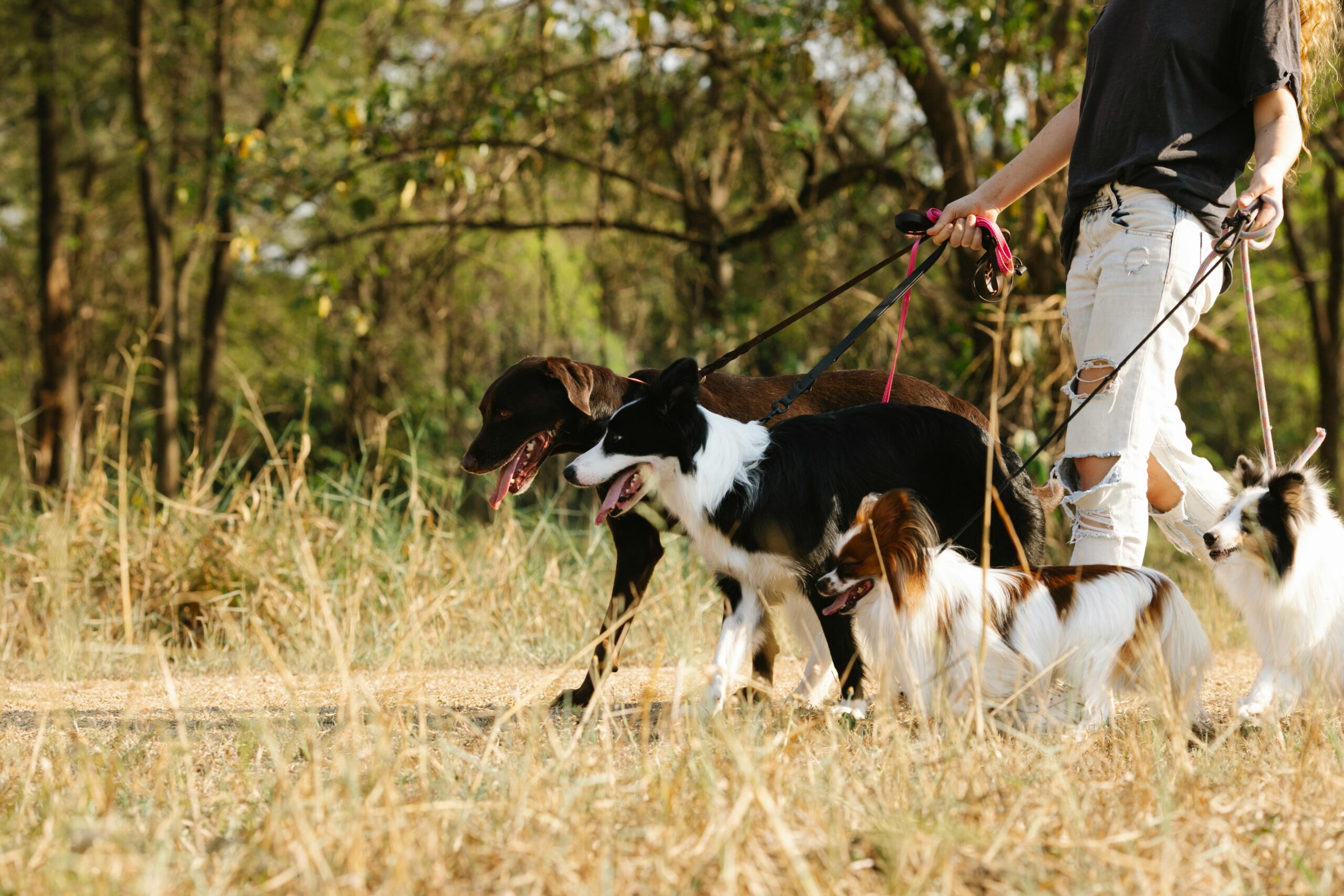
To give both dogs the best chance of success, start introductions in neutral territory, such as a quiet park or open walking trail. Ask a trusted friend or family member to help.
-
Begin with a walk. Let your existing dog walk ahead while the new dog follows at a comfortable distance.
-
Gradually allow brief rear-end sniffing, which is how dogs naturally gather information. Avoid face-to-face introductions at first, as these can trigger defensive behavior.
-
Continue walking, switching positions slowly and watching body language closely.
-
Once both dogs are relaxed, walk side by side with the dogs on the outside and humans in between.
If the dogs remain calm and curious rather than tense or reactive, it’s a strong sign that the pairing is a good fit.
Bringing the New Dog Home
When it’s time to return home, allow your current dog to enter first. This reinforces their role in the household and signals acceptance of the new pack member. Over time, the dogs will naturally establish their own hierarchy through routine interaction.
Be patient during the adjustment period. Establish consistent schedules for feeding, walking, and playtime. Clear structure helps reduce anxiety and allows both dogs to feel secure.
Twice the Companionship, Twice the Cleanup
While having two dogs often means less loneliness and happier pets, it can also mean more mess—especially in the yard. If keeping up with daily cleanup feels overwhelming, a pet waste removal service can help maintain a clean, safe outdoor space without adding to your to-do list.
Loneliness can take a real emotional toll on dogs, but it doesn’t have to be permanent. Whether through increased interaction, enrichment activities, or adding another canine companion, there are meaningful ways to help your dog thrive. A happier dog means a calmer home—and fewer destroyed shoes waiting for you at the door.
This post is brought to you by Rocky Mountain Pooper Scoopers. They proudly serve the Greater Salt Lake City area, including Sandy, West Jordan, and Taylorsville, offering dependable and affordable pet waste removal services. Call (385) 392-0791 today for your free estimate—weekly rates start at just $18.00. Visit their website at rockymountainpooperscoopers.com to read reviews and learn more.
Happy Tails!
