
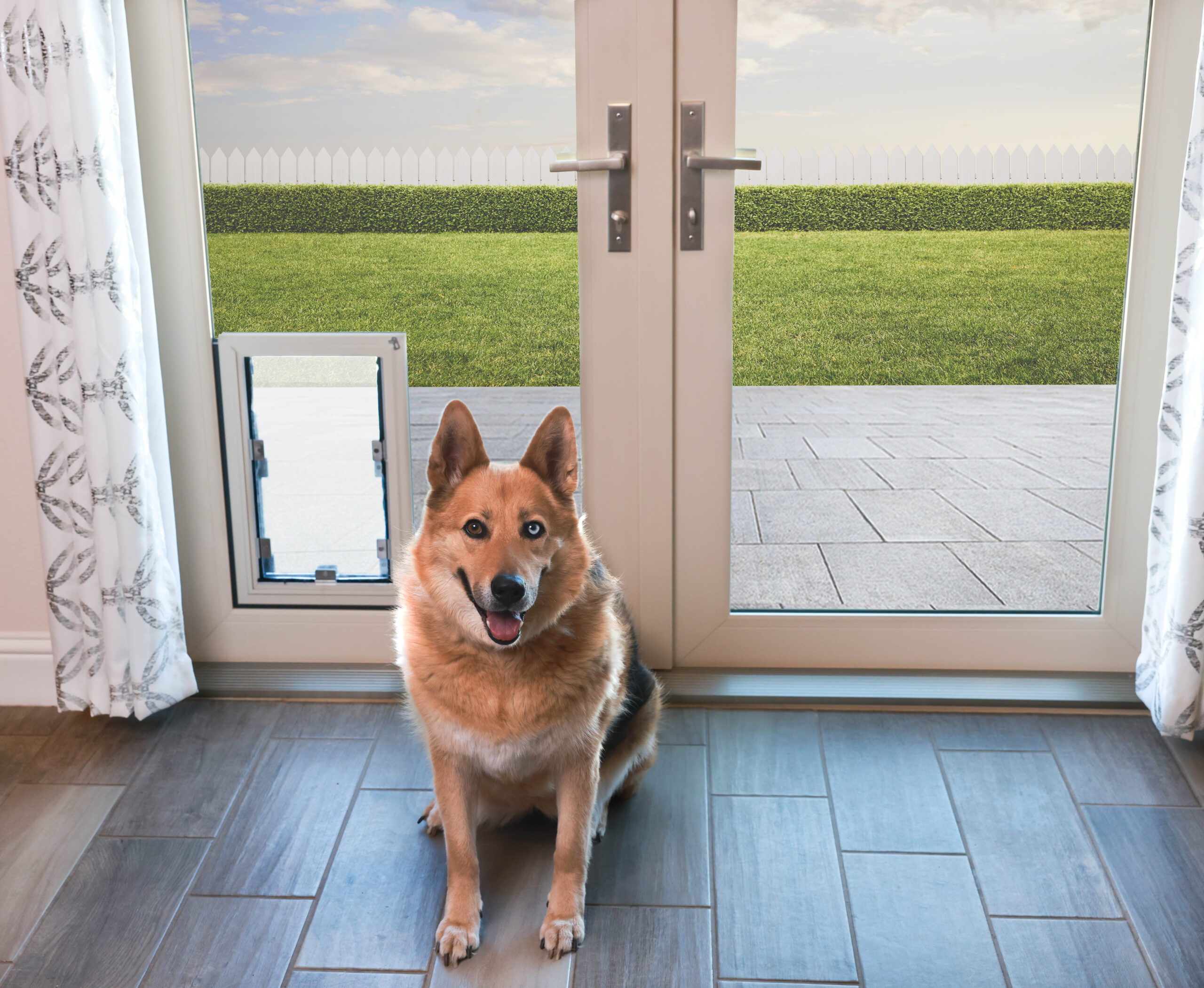
When you decide to add a dog door or cat door to your home, you’ll quickly discover that there are several installation options available. Pet doors can be placed directly into an existing exterior door, installed through a wall, or even fitted into a window. No matter which option you choose, one thing remains consistent—your pets will gain a greater sense of freedom and independence, allowing them to move in and out of your home without relying on you every time nature calls.
Although some homeowners consider installing a pet door on their own, working with a professional installer often delivers better results. Experienced installers will visit your home, evaluate your space, provide a clear estimate, and ensure the installation is done correctly from start to finish. In addition to proper installation, professionals typically offer ongoing support after the sale. Before making that call, however, it’s important to think through a few key factors so you choose the right dog door or cat door for your Utah home.
Where to Start
The first step in choosing a dog door or cat door is deciding where you want it installed. The installation location plays a major role in determining overall cost. Pet doors placed directly into an existing door are usually the most affordable option. In many cases, homeowners can expect prices to begin in the range of $200 to $400 for this type of installation.
If you prefer a pet door installed through a wall or window, the cost will typically be higher due to additional labor and materials. Wall installations may require cutting through drywall, insulation, and exterior surfaces, while window installations often involve custom glass work. While these options cost more, they can be ideal depending on your home’s layout and your pet’s routine. Ultimately, the right choice depends on your budget and how you want your pet to access the outdoors.
You’ll also encounter more advanced pet door options during your search. Some modern dog doors are electronic and designed to open and close automatically using a sensor or collar system. These high-tech doors offer added security and convenience but come at a higher price point. Whether you choose a basic flap door or a fully automated system, the final cost is entirely up to your preferences and needs.
After choosing the installation location, the next step is determining the correct door size. This is one of the most important decisions you’ll make. Dogs don’t pass through a pet door standing straight upright. Instead, they lower their body and use their back legs to guide themselves through the opening. Because of this, proper measurement is essential.
A simple way to measure your dog is to have them stand naturally next to you. While they are standing, reach down and note the height of their shoulder. This measurement helps determine the minimum height your dog door should accommodate. Larger dogs will obviously require larger doors, while smaller breeds can use more compact options. If you have more than one dog, it’s important to select a door size that works comfortably for the largest pet in your household.
Once you have a general idea of the size needed, try creating a visual reference. Cut a square or rectangular opening in a piece of cardboard that matches your estimated door dimensions. This cardboard cutout allows you to see how your dog fits through the opening and helps you confirm whether the size will work comfortably in real life. This small step can prevent costly mistakes later.
Who to Install
After you’ve chosen your installation location and determined the appropriate door size, the final step is selecting a professional to handle the installation. Taking the time to research and compare installers can make a significant difference in the quality of the finished result. Many homeowners choose to request multiple estimates before deciding which company to hire.
Reputable dog door and cat door installers will not only handle the installation but also provide ongoing service support. Many retailers and service providers stock replacement parts such as door flaps, frames, or locking mechanisms, ensuring your pet door continues to function properly over time. This after-sale support can be especially valuable if your door experiences wear and tear or needs adjustments in the future.
Some retailers also offer specialized products, including wireless or sensor-based pet doors. For example, options similar to the Invisible Fence Brand Doorman pet door system provide added control and security by allowing access only to pets wearing a compatible collar. These wireless pet doors typically start at higher price points, often around $549 or more, depending on features and installation requirements.
Once your dog door or cat door is installed, both you and your pet will quickly notice the benefits. Your dog or cat will enjoy the ability to move freely between indoors and outdoors, gaining independence while maintaining their routine. At the same time, you’ll no longer need to stop what you’re doing to let your pet in or out. With a properly installed pet door, your furry companion can handle it all on their own, giving you peace of mind and added convenience every day.
This post has been brought to you by Rocky Mountain Pooper Scoopers. Rocky Mountain is the leading pet waste removal service in the Greater Salt Lake City area, including Sandy, West Jordan, and Taylorsville. Give them a call today at (385) 392-0791 for a free quote. Weekly rates start at just $18.00. Visit their website at rockymountainpooperscoopers.com for customer reviews and additional information.
Happy Tails!
