
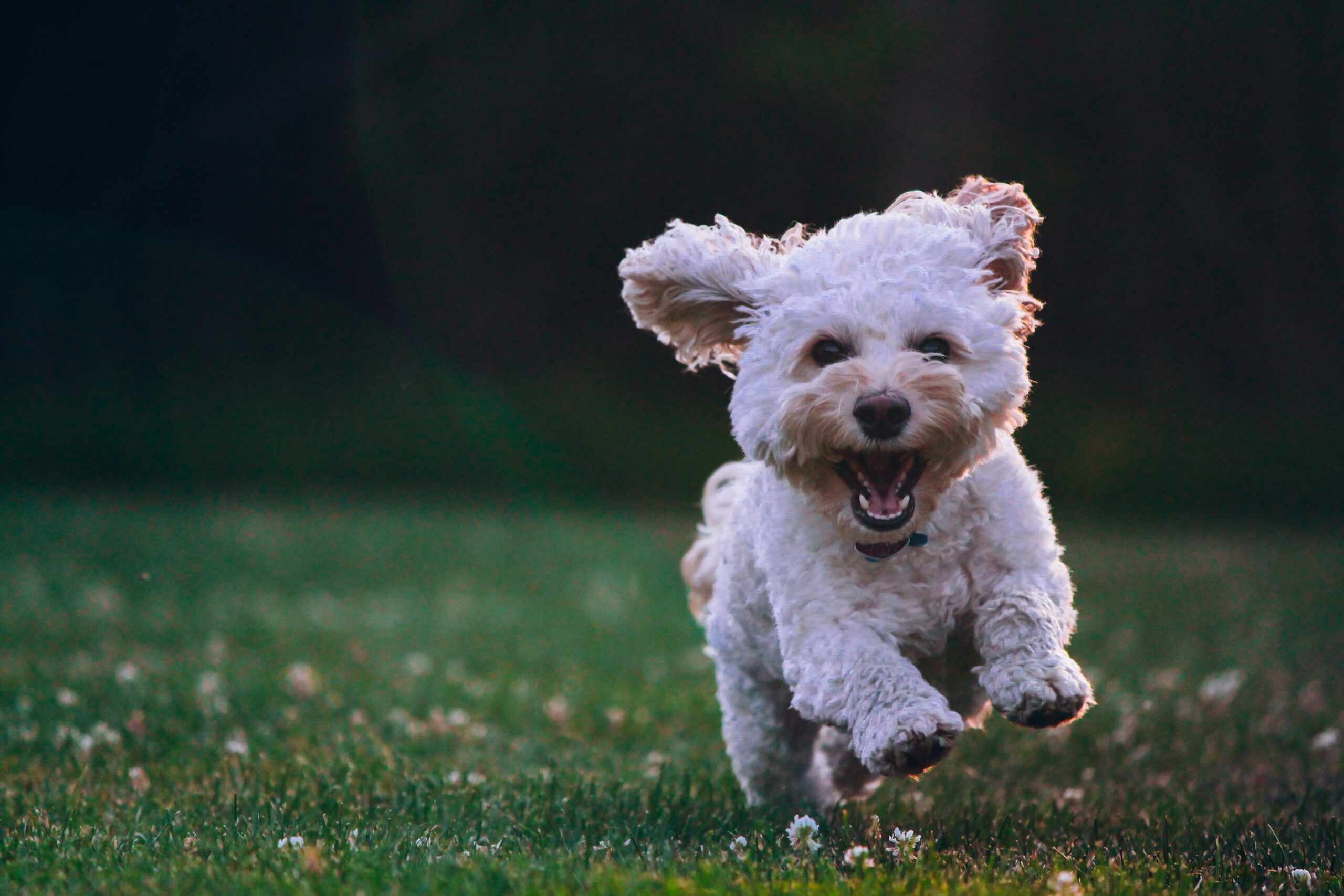
The way a dog communicates—whether through barking, posture, or subtle movements—reveals a great deal about their emotional state. A sharp, intense bark may signal that your dog senses a potential intruder or unfamiliar presence, while a lighter, playful bark is often nothing more than a friendly greeting. While vocal cues are usually easy to recognize, interpreting canine body language can be more challenging.
Learning how to read your dog’s physical signals allows you to better understand whether they are relaxed, anxious, fearful, or ready to play. This awareness helps strengthen the bond between you and your dog while also keeping interactions safe. Below are key body language cues to watch for when determining your dog’s mood.
Ear Position and What It Means
A dog’s ears are one of the most expressive parts of their body and can change position quickly based on how they feel.
-
Ears upright but relaxed (not pushed forward):
This position indicates that your dog feels comfortable and at ease. It’s an ideal moment for interaction, affection, or play. -
Ears upright and pointed forward:
Your dog has noticed something unusual and is focusing intently. He may be assessing a sound, movement, or unfamiliar presence. Approach carefully and avoid startling him. -
Ears pulled into a tight V-shape:
This posture suggests discomfort or defensiveness. Your dog may be prepared to react if provoked, so it’s best to give him space. -
Ears pinned back against the head:
This can signal fear, anxiety, or stress. In these moments, your dog needs reassurance and time to calm down without pressure or confrontation.
Tail Movement and Position
Despite popular belief, a wagging tail does not always mean a dog is friendly. Tail position and movement provide important context.
-
Tail lowered and relaxed:
This suggests your dog feels safe and at ease. If the tail is gently wagging, he is likely happy and open to interaction. -
Tail held straight out or moving stiffly side to side:
Your dog is alert and evaluating a possible situation or perceived threat. He hasn’t decided how to respond yet. -
Tail held rigid and unmoving:
This indicates confidence mixed with readiness to defend himself if challenged. -
Tail tucked tightly between the legs:
A clear sign of fear or submission. Your dog may feel overwhelmed or threatened. -
Tail lowered while rolling onto the back:
This shows extreme fear or submission. Your dog is attempting to de-escalate a situation and avoid conflict.
Mouth, Facial Expressions, and Subtle Signals
Your dog’s mouth and facial expressions can reveal just as much as his ears and tail.
-
Open mouth with tongue visible:
This usually means your dog is relaxed, content, and possibly playful. You may also notice light, happy panting. -
Closed mouth with focused expression:
Your dog is alert and monitoring his surroundings. He may be deciding how to respond to a stimulus. -
Wrinkled nose with curled lips:
This is a warning sign. Your dog is communicating that he feels threatened and is prepared to defend himself. -
Teeth fully exposed with curled lips:
This indicates a high level of distress or aggression. Your dog feels unsafe and may act defensively if the situation continues. -
Panting with wide pupils:
This suggests stress rather than excitement. Environmental factors—such as loud noises, unfamiliar surroundings, or tension—are likely contributing to his discomfort. -
Air licking or repeated lip licking:
This behavior often signals anxiety or uncertainty, especially in social situations. Dogs may also lick another dog’s face as a calming gesture toward a more dominant animal. -
Lying on the back with mouth closed:
This posture shows submission and a desire to avoid confrontation. Your dog is acknowledging another dog’s dominance to maintain peace.
Why Understanding Dog Body Language Matters
Recognizing these signals allows you to respond appropriately to your dog’s needs, whether that means giving him space, offering comfort, or engaging in play. Dogs rely heavily on nonverbal communication, and when we learn to interpret these cues, we become better guardians, companions, and advocates for their well-being.
By paying close attention to your dog’s ears, tail, and facial expressions, you can better understand what he’s feeling—and help ensure every interaction is positive, safe, and stress-free.
This post is brought to you by Rocky Mountain Pooper Scoopers. They proudly serve the Greater Salt Lake City area, including Sandy, West Jordan, and Taylorsville, offering dependable and affordable pet waste removal services. Call (385) 392-0791 today for your free estimate—weekly rates start at just $18.00. Visit their website at rockymountainpooperscoopers.com to read reviews and learn more.
Happy Tails!
